Those first diaper changes at 2 a.m. are when newborn clothing essentials stop being a cute shopping idea and start feeling very real. The right baby clothes make late-night changes faster, keep your little one comfortable, and help you avoid buying a pile of pieces that look sweet but do not work for everyday life.
When you are building a newborn wardrobe, comfort and convenience matter more than variety. Babies grow quickly, spit up often, and may go through multiple outfit changes in a single day. That is why the best newborn closet is not the biggest one. It is the one that covers the basics well, fits your routine, and keeps your baby cozy without making dressing harder than it needs to be.
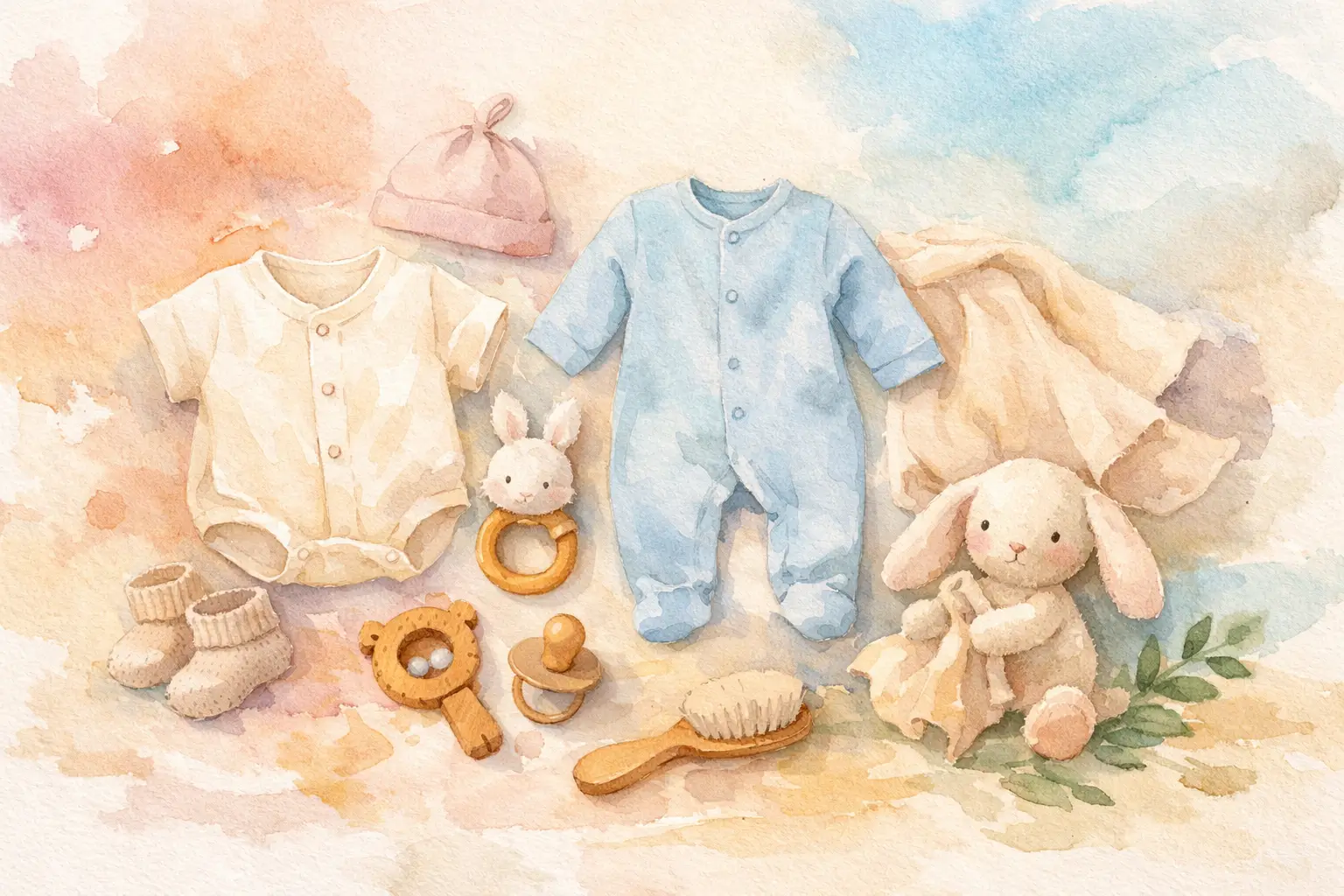
At the core, newborn clothing essentials are the pieces you will reach for again and again during the first weeks and months. Think soft bodysuits, footed sleepers, side-snap tops, stretchy pants, socks, hats, and a few weather-appropriate layers. These are the workhorses of a baby wardrobe.
It helps to think in terms of daily use rather than special occasions. A newborn does not need complicated outfits with stiff fabrics, lots of buttons, or decorative details that get in the way. Parents usually end up favoring clothes that are easy to pull on, simple to wash, and gentle on delicate skin. For a deeper walkthrough, see our 12 Educational Toys Ideas Parents Will Use.
There is also a practical balance to strike. Too few basics can leave you doing laundry constantly, but too many in one size can backfire because newborns outgrow clothes fast. For many families, a moderate number of everyday pieces is the sweet spot.
Bodysuits are usually the foundation. Short-sleeve and long-sleeve versions both have their place, depending on the season and your home temperature. They layer easily under sleepers or pants and help keep diapers in place. Envelope necklines or snap closures make dressing easier, especially when your baby is still very tiny.
Footed sleepers are another must-have for many households. They simplify dressing by combining a top, bottom, and foot covering in one piece. For overnight wear and daytime lounging, they are hard to beat. Zipper sleepers are often a parent favorite because they cut down on fuss during diaper changes, though some families still prefer snaps for a more adjustable fit.
A few pairs of soft pants can also be useful, especially when paired with bodysuits. Look for wide, stretchy waistbands that sit gently on the belly. Newborns spend a lot of time sleeping, feeding, and being held, so clothing should move easily and never feel restrictive.
If you want one category that often gets overlooked, it is side-snap shirts or kimono-style tops. These can be especially helpful in the first days, when some parents prefer not to pull clothing over a newborn’s head any more than necessary. They are not mandatory for every family, but they can make those early changes feel less stressful.
This depends on your laundry routine, your baby’s size at birth, and how often your little one spits up or has diaper leaks. Some babies stay in newborn sizes for several weeks, while others move into 0-3 months almost immediately. That is why it is smart not to overbuy one size before your baby arrives.
A practical starting point for many families is enough bodysuits and sleepers to cover several days, plus a few extra changes for messy moments. Socks, hats, and simple pants do not need to take up much space, but having backups helps. If you have easy access to laundry, you may need less. If you prefer washing only once or twice a week, you will want more duplicates of your most-used items.
Gift buyers can keep this in mind too. Buying only newborn size can be risky, while a mix of newborn and 0-3 months often gives parents more flexibility.
Softness matters, but so does durability. Newborn clothes are washed often, so fabrics need to stay comfortable after repeated cycles. Cotton is a popular choice because it is breathable, easy to care for, and gentle against sensitive skin. Cotton blends can also work well when they add a bit of stretch for easier dressing.
The best fabric often depends on climate and season. In warmer weather, lightweight cotton helps prevent overheating. In cooler months, slightly thicker knits and easy layering pieces can help keep your baby warm without adding too much bulk. Breathability is still key, since newborns should not be overdressed.
Watch for details that affect comfort. Flat seams, soft tags or tag-free designs, and flexible cuffs can make a noticeable difference. Babies cannot tell you when something feels scratchy or tight, so simple, gentle construction goes a long way.
Season matters, but layering is usually the better strategy than buying a completely different wardrobe. In summer, short-sleeve bodysuits, lightweight sleepers, and a light hat for outdoor shade may be enough for many days. In air-conditioned spaces, a thin extra layer can still be useful.
In winter, long-sleeve bodysuits, footed sleepers, and warm outer layers become more important. But bulky clothing is not always the answer, especially for travel. For car seat safety, thinner layers topped with a blanket after buckling are often a smarter choice than a thick snowsuit under the harness.
Spring and fall can be the trickiest because temperatures change throughout the day. This is where mix-and-match basics really earn their place. A bodysuit, pants, and a light cardigan or jacket can be adjusted as needed without a full outfit change.
The best baby clothes do not just look nice. They save time. Two-way zippers can make nighttime diaper changes quicker. Wide neck openings reduce tugging. Fold-over mitt cuffs on some newborn pieces help limit accidental face scratches without needing separate mittens that get lost.
Easy care is another big win. Machine-washable fabrics that hold their shape and color are worth prioritizing. Delicate-looking pieces can be tempting, but if they require special treatment, they may stay in the drawer.
It is also worth paying attention to fit. Some brands run small, others long and lean, and others roomier through the middle. A little extra length can extend wear, but clothing that is too loose or awkward can make handling your baby harder. When possible, stick with styles known for practical fit and daily comfort.
Not every tiny outfit earns its keep. Dresses with multiple layers, tiny jeans with stiff seams, and pieces with lots of decorative buttons or difficult closures may look adorable but often do not get much real use. The same goes for buying too many special outfits before you know your baby’s size and your own routine.
It also helps to be cautious with accessories. Hats can be useful, especially in cooler weather or right after birth, but most babies do not need a big collection. Shoes are another item many newborns can do without for a while. Soft socks or footed sleepers usually do the job better.
That does not mean there is no room for fun. A few cute outfits can absolutely be part of the mix. The goal is just to build the everyday basics first, then add extras that fit your style and budget.
For most families, the smartest approach is to choose newborn clothing essentials that mix comfort, safety, and convenience. Start with the pieces your baby is most likely to wear on repeat, then fill in around your climate, laundry habits, and daily routine. If you are shopping on a budget, focus on quality in the items you will wash constantly rather than spreading your budget across too many one-time outfits.
This is also where a curated, family-focused store can make shopping easier. Everything Childrens Outlet speaks to what many parents actually want – practical options, child-friendly comfort, and affordable choices that make everyday care simpler instead of more complicated.
A newborn wardrobe does not need to be perfect. It just needs to work well on sleepy mornings, busy afternoons, and those middle-of-the-night changes when easy snaps or a smooth zipper can feel like a small victory. Choose soft basics, keep your baby’s comfort first, and give yourself room to adjust once you learn what your little one wears most.