Affordable children’s clothing gives families a way to keep kids comfortable, safe, and stylish without draining the household budget — and for millions of parents across the United States, that balance matters more every single year. According to the U.S. Bureau of Labor Statistics Consumer Expenditure Survey, American families spend between $600 and $900 annually on children’s apparel. Because kids outgrow clothes every three to six months, spending smart — not spending more — is the only strategy that truly works.
In this guide: What affordable children’s clothing really means, how to shop for quality on a budget, the best garment styles for value, how to spot safe materials, seasonal savings strategies, and a full FAQ section — everything a parent needs in one place. For a deeper walkthrough, see our How Much Do Quality Children’s Toys Cost? A Complete Price Guide.
Affordable children’s clothing is kids’ apparel that delivers real quality — durable construction, safe materials, and age-appropriate design — at a price point that makes sense for everyday family budgets. It does not mean flimsy or disposable. Instead, it means thoughtfully made garments that hold up through active play, repeated washing, and the inevitable growth spurts that come with childhood.
Furthermore, the best budget kids’ clothes are made from cotton or cotton-rich blends. Cotton is naturally soft, breathable, and hypoallergenic — making it ideal for young, sensitive skin. It also washes easily, which is a practical advantage no parent should overlook.
In contrast to premium designer brands that charge $40 to $80 per item, dedicated children’s clothing outlets routinely offer complete coordinated sets — full outfits, not just single pieces — for $10 to $20. That difference compounds quickly over a full season of shopping.
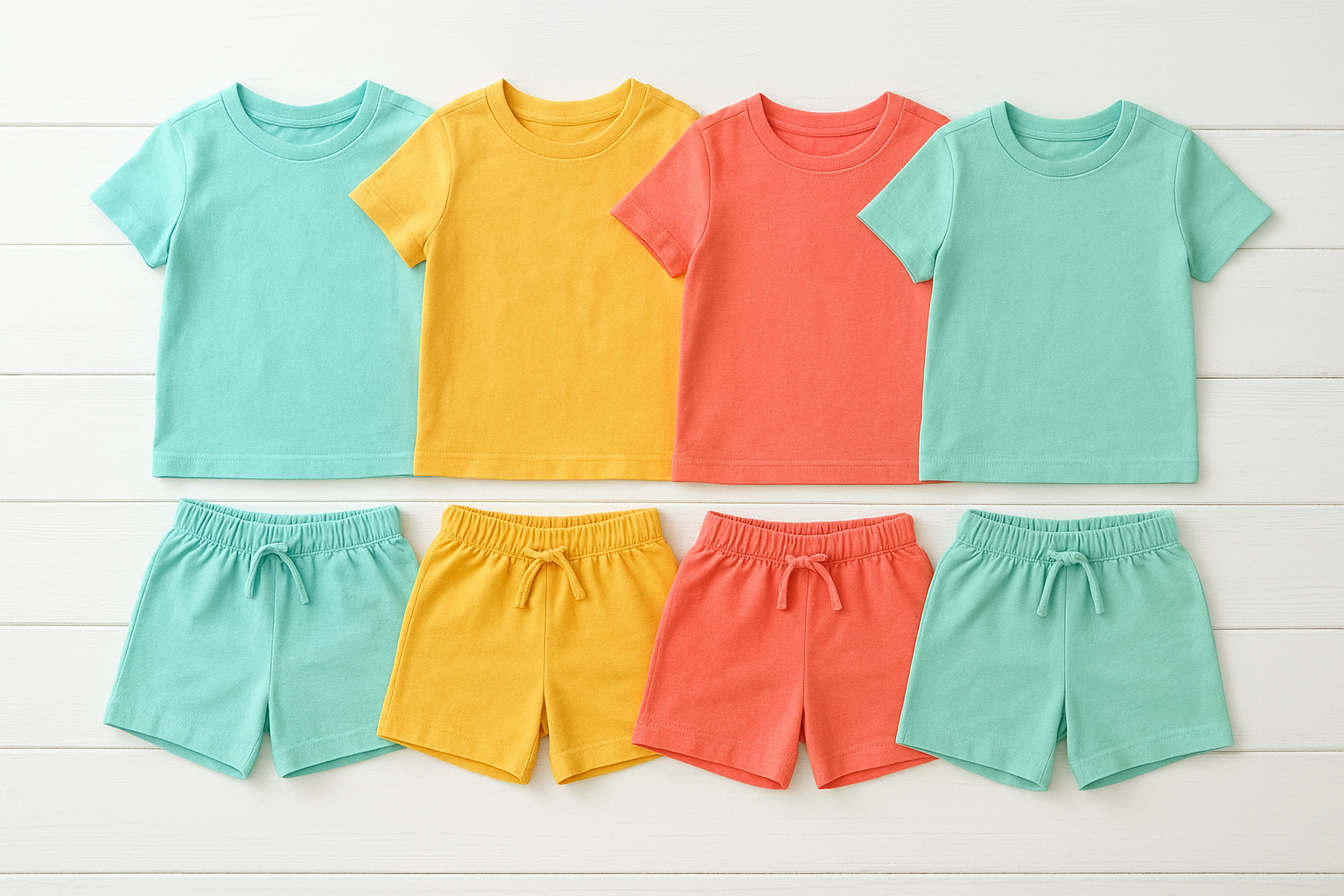
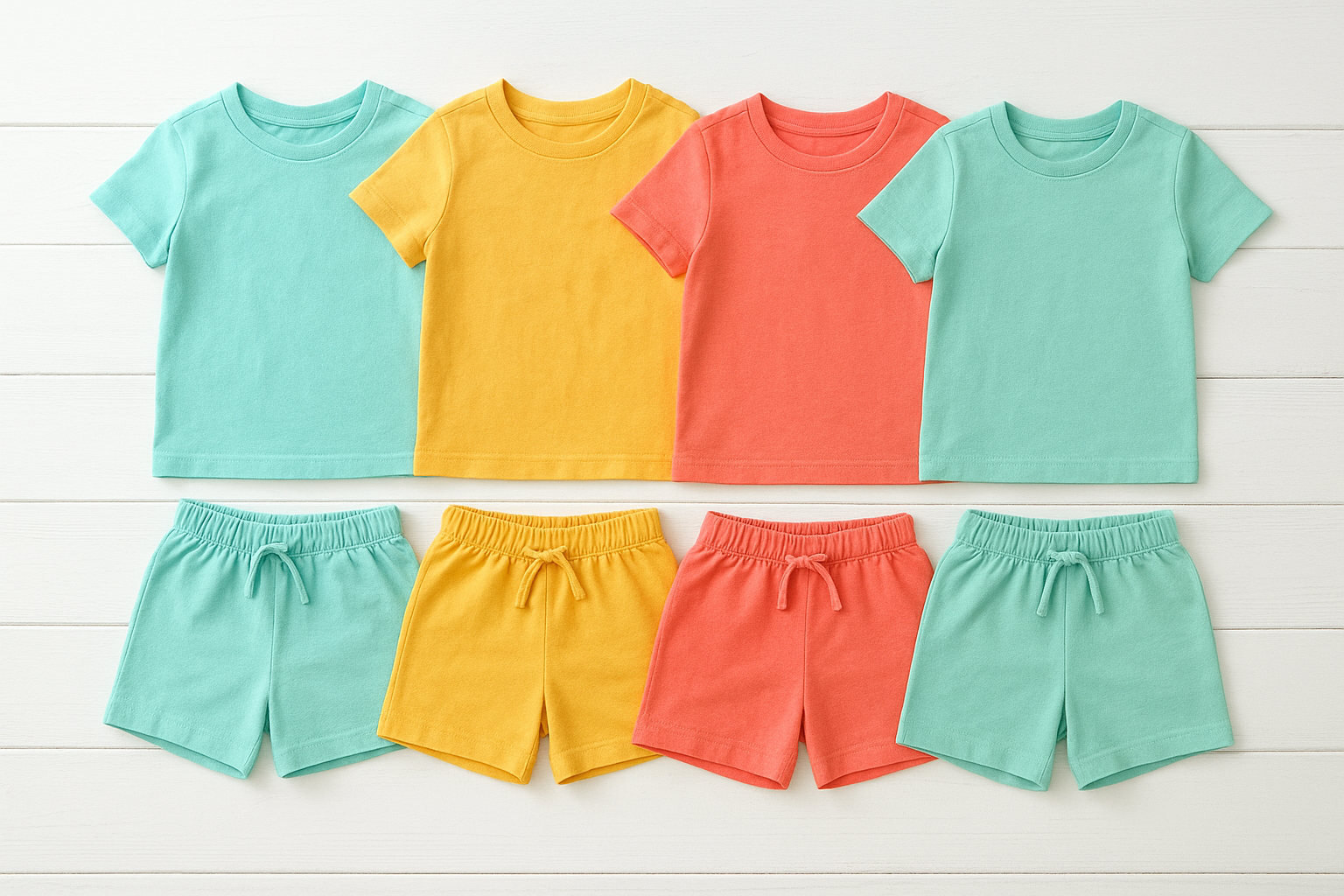
A curated selection of affordable children’s clothing — soft cotton sets perfect for summer play.
Children grow at a remarkable pace, especially in the first five years of life. As a result, parents often replace wardrobes every three to six months. This constant cycle means overspending on any single item rarely pays off. Therefore, building a wardrobe of well-priced, durable staples is far smarter than splurging on a handful of premium pieces.
Additionally, kids are genuinely hard on their clothes. Grass stains, paint, food spills, and playground wear mean even high-quality items take a beating. Consequently, the winning strategy is affordable, machine-washable clothing that handles everyday life without causing buyer’s remorse.
Consider a toddler who needs outfits for daycare, weekend play, and occasional family events. In a single season, that child might need six to ten complete outfits. At $30 to $50 per outfit from premium brands, costs escalate fast. In contrast, buying coordinated sets from a dedicated children’s outlet brings that per-outfit cost down to $10 to $20 — without sacrificing comfort or appearance.
For example, this 2-piece cotton t-shirt and shorts set from Everything Children’s Outlet delivers a complete, coordinated look at a price that makes building a full seasonal wardrobe genuinely manageable for busy families. For a deeper walkthrough, see our List for Baby Essentials That Makes Sense.
Research from the children’s clothing industry has consistently noted that girls’ clothing is often priced slightly higher than equivalent boys’ items, a phenomenon sometimes called the “pink tax.” Specifically, parents shopping for girls should compare multi-piece sets carefully, as gender-neutral or boys’ styles often offer the same cotton quality at a lower price. Furthermore, gender-neutral designs make hand-me-downs between siblings far more practical — effectively multiplying the value of each purchase.
Shopping smart for kids’ clothes is a skill. Specifically, it saves families hundreds of dollars every year when done consistently. Follow these seven steps to build a quality wardrobe on a realistic budget:
Not all children’s clothing offers equal value. Specifically, certain garment types consistently deliver more wear-per-dollar than others. Understanding which items to prioritize helps families stretch every budget dollar further.
Summer sets are among the highest-value purchases in a child’s wardrobe. A well-made cotton t-shirt and shorts combo works for daycare, backyard play, park visits, and casual family outings. Moreover, coordinated sets remove the guesswork from dressing kids quickly on hectic mornings.
For boys and girls alike, a sleeveless cotton vest and shorts set is a practical, breathable choice for warmer months. These sets layer easily and keep toddlers cool during active play — a combination that parents consistently find indispensable.
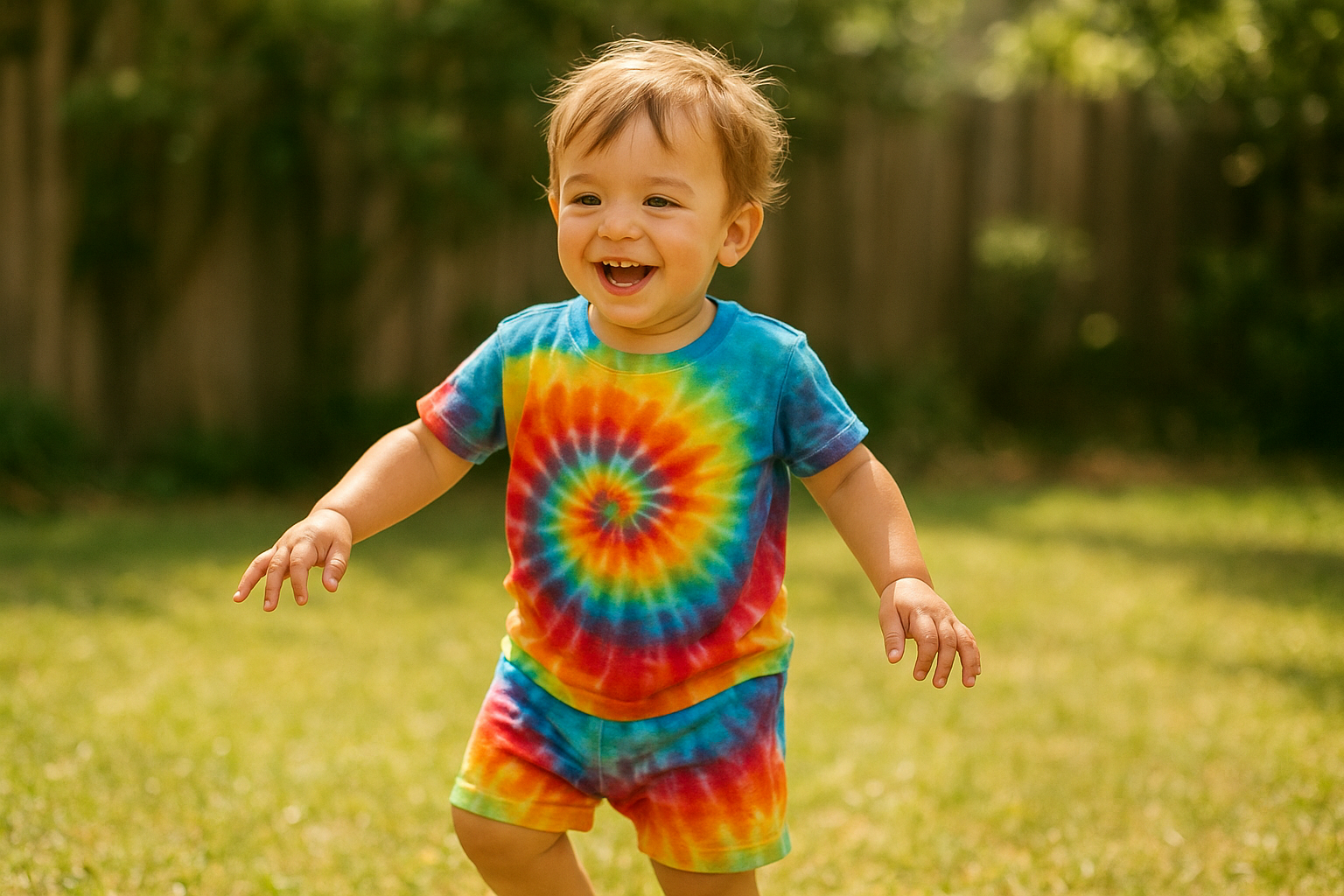
Colorful, breathable summer sets are a staple of affordable children’s clothing for active toddlers.
Printed and tie-dye styles are especially popular for toddlers and young children. Beyond their visual appeal, these designs hide minor stains effectively — a practical bonus every parent appreciates. A tie-dye letter print t-shirt and shorts outfit set combines fun aesthetics with the durability and comfort of cotton construction.
Similarly, gender-neutral prints and classic color palettes make it easier to pass clothes down between siblings — further extending the value of each purchase across multiple children.
Lightweight jackets, zip-up hoodies, and cotton cardigans are some of the most cost-effective items in a child’s wardrobe. Because they layer over multiple base outfits, a single cardigan can effectively extend dozens of outfit combinations. Furthermore, these pieces bridge seasonal gaps — useful in spring and fall when temperatures swing unpredictably.
When shopping for layering pieces, prioritize full-zip closures over pullovers for easy dressing with toddlers, and choose neutral tones — navy, grey, olive — that coordinate with everything already in the closet.
Leggings and jogger-style pants are among the most versatile items in budget kids’ fashion. They work for school, playdates, and casual outings. Additionally, their elastic waistbands accommodate growth between sizes better than jeans or structured trousers — meaning a single pair often spans two to three months of wear rather than one.
For school-aged children, polo shirts and chino-style bottoms provide a smart yet practical look that transitions easily from classroom to after-school activities. These items hold up through daily wear and washing far better than more formal alternatives, making them an excellent value for families who need both durability and a neat appearance.
Price is only one part of the value equation. In addition to cost, several quality markers separate genuinely good budget clothing from items that fall apart after a few washes. Knowing what to look for protects your investment and keeps kids comfortable.
One of the most common frustrations parents face with online shopping is inconsistent sizing. Specifically, a size 3T from one brand may fit very differently from a size 3T at another. Therefore, always cross-reference the retailer’s specific size chart — measured in inches or centimeters for height and weight — rather than relying on age-based labels alone.
In addition, look for size guides that include both height and weight measurements. Children of the same age can vary considerably in build, and a good size guide accounts for both dimensions. Retailers that publish detailed, accurate size charts demonstrate a higher level of care for customer experience — and typically fewer return headaches for parents.
Timing purchases strategically reduces affordable children’s clothing costs by 20% to 40%. End-of-season sales, back-to-school promotions, and holiday clearance events are ideal opportunities to stock up on staples in the next size up. Additionally, buying summer sets in early spring — before peak demand — often yields better availability and lower pricing.
In contrast, waiting until a child has already outgrown their current wardrobe typically means paying full price under time pressure. Therefore, planning ahead is one of the most effective money-saving habits for parents of young children.
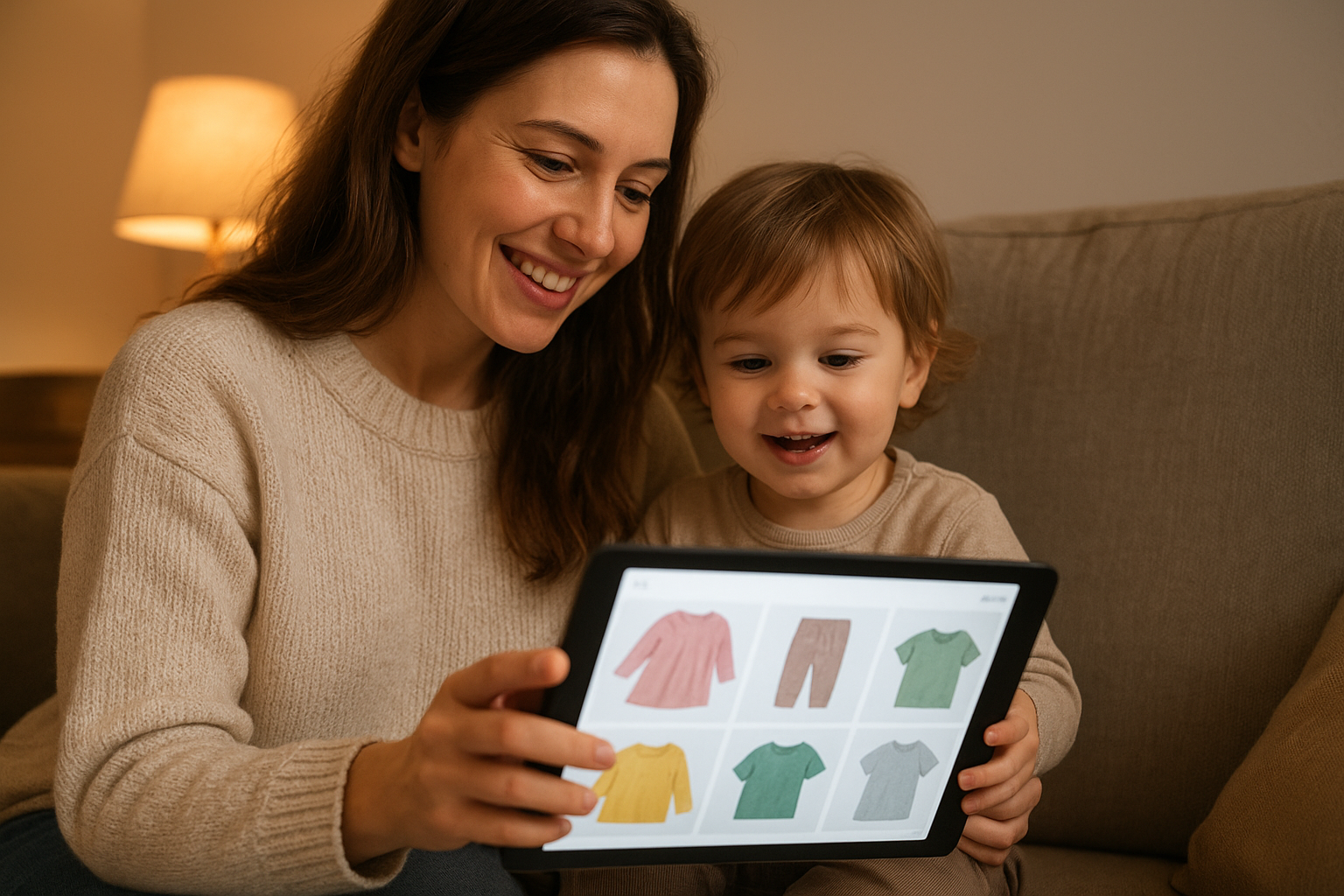
Online shopping makes it easier than ever to find affordable children’s clothing from the comfort of home. For a deeper walkthrough, see our Baby Essentials Online Store: Best Picks for 2025.
Online shopping has transformed how families buy kids’ clothes. Specifically, dedicated children’s e-commerce platforms offer several advantages over general marketplaces: curated selections, age-appropriate sizing, detailed product descriptions focused on safety and comfort, and easier navigation than browsing a massive all-category retailer.
Everything Children’s Outlet is a one-stop online destination for parents and caregivers seeking high-quality essentials for babies and children. The catalog spans clothing, toys, nursery products, and everyday care items — all thoughtfully curated with comfort, safety, and practicality in mind. Whether you are outfitting a newborn nursery or refreshing a toddler’s summer wardrobe, the platform makes it easy to find trusted, affordable options without sacrificing quality.
Furthermore, families who have shopped there consistently highlight the combination of value and selection. You can learn more about what makes this retailer stand out by reading why families love shopping at Everything Children’s Outlet — and explore the full range of their mission and values to understand how they source and vet every product in the catalog.
Not every online children’s retailer is equal. Specifically, trustworthy platforms share several characteristics that distinguish them from low-quality alternatives:
The best wardrobe strategy shifts significantly as children grow. Consequently, a one-size-fits-all shopping approach leads to wasted money at every stage. Below is a practical breakdown of what to prioritize by age.
Newborns grow extremely fast — sometimes moving through a full clothing size in four to six weeks. Therefore, avoid over-investing in any single newborn size. Instead, focus on a small supply of soft onesies and sleep sacks in sizes 0–3M and 3–6M, then replenish as needed. Above all, prioritize 100% cotton and tagless construction to minimize skin irritation during the most sensitive period of development.
Toddlers are simultaneously the hardest on their clothes and the fastest to outgrow them. As a result, this is the age group where affordable, durable sets deliver the most financial return. Two-piece cotton sets — t-shirt and shorts or top and leggings — are the single best investment for toddler wardrobes. Elastic waistbands are essential, especially during potty training. Additionally, bold colors and fun prints keep toddlers engaged and cooperative during dressing routines.
At this stage, children start to develop preferences about what they wear. However, this does not mean surrendering the budget. Rather, involve children in choosing between two or three pre-approved options — both budget-friendly — so they feel ownership without unlimited say. Comfortable, easy-to-layer pieces work best, and this is an excellent age to introduce mix-and-match basics that create multiple outfit combinations from a small number of pieces.
School-age kids need clothing that transitions between structured school environments and active after-school play. Consequently, durability and ease of care become more important than ever. Look for reinforced knees on pants, colorfast fabrics that maintain appearance after repeated washing, and comfortable fits that allow the full range of movement required for sports and playground activities. Back-to-school sales in July and August are the prime opportunity to stock up at the lowest annual prices.
Even experienced parents fall into costly clothing habits that stretch budgets unnecessarily. Specifically, the following mistakes are among the most common — and the most avoidable.
Affordable children’s clothing refers to kids’ apparel that offers genuine quality — good construction, safe materials, and comfortable fit — at a budget-friendly price. It includes everyday essentials like t-shirts, shorts, coordinated sets, and seasonal outfits designed for growing children without the premium brand markup.
Shopping at dedicated children’s outlets, buying multi-piece sets, and timing purchases around seasonal sales are the most effective strategies. Online retailers like Everything Children’s Outlet offer curated selections at value-driven prices year-round. Additionally, end-of-season clearance sales — particularly in late August and January — yield the deepest discounts.
Yes — affordable does not mean unsafe. Look for cotton fabrics, non-toxic dyes, and secure stitching. Reputable retailers follow safety standards set by the CPSC and may also carry OEKO-TEX certified products, which have been independently tested for harmful substances.
Cotton is the top choice for children’s clothing because it is soft, breathable, and hypoallergenic. Cotton blends add durability while keeping garments comfortable for active kids. Avoid heavy synthetic fabrics for everyday wear, as they trap heat and may irritate sensitive skin.
Children typically need new clothing every three to six months due to rapid growth, especially in the first five years. Buying versatile, mix-and-match pieces — and sizing up when possible — helps stretch your budget between shopping trips.
Yes. Buying coordinated sets — matching t-shirt and shorts, or top and leggings — is generally more cost-effective than purchasing individual pieces. Sets also simplify dressing routines for busy parents and remove the guesswork of mixing and matching independently.
Many parents recommend buying one size up to allow room for growth. This is especially practical for seasonal items like summer sets, where children may grow significantly between early and late season. Always cross-reference the retailer’s specific size chart by height and weight rather than relying on age labels alone.
For toddlers, look for lightweight 100% cotton fabrics, elastic waistbands for easy dressing and potty training, and bright or fun prints that children enjoy wearing. Short-sleeve t-shirts or sleeveless tops paired with elastic-waist shorts are the ideal combination for warm weather comfort and active play.
Affordable kids’ clothing typically ranges from $5 to $20 per item or set, depending on the retailer and fabric quality. Multi-piece coordinated sets often bring the per-item cost below $10, making them the best per-piece value available for budget-conscious families.
Common mistakes include buying too many items in the current size, choosing low-quality synthetic fabrics purely for price, ignoring ease of care, and shopping without a wardrobe inventory. Prioritizing machine-washable, durable cotton fabrics and sizing up when in doubt saves both time and money.
Absolutely. Online children’s retailers offer a wide variety of stylish, trend-forward designs at competitive prices. Shopping online also allows easy comparison of sizes, fabrics, and pricing — and dedicated children’s platforms filter out irrelevant products, saving significant browsing time.
Look for clear product descriptions with stated fabric content, verified customer reviews, transparent return policies, and explicit CPSC compliance. Retailers that specialize exclusively in children’s products tend to maintain more focused quality standards. You can review Everything Children’s Outlet’s mission and values directly on their site to understand how they approach product curation and safety.
Finding affordable children’s clothing that genuinely delivers on quality, comfort, and safety is entirely achievable with the right strategy. By prioritizing cotton fabrics, buying coordinated sets, sizing up for longevity, shopping seasonally, and choosing dedicated children’s retailers, parents can keep kids looking great at every stage of childhood without overspending. Above all, the key insight is simple: value and quality are not mutually exclusive when it comes to kids’ apparel. With resources like Everything Children’s Outlet, families across the United States have access to a thoughtfully curated catalog of affordable children’s clothing essentials — spanning every age group from newborn to school age — delivered conveniently and with the safety standards parents can trust.