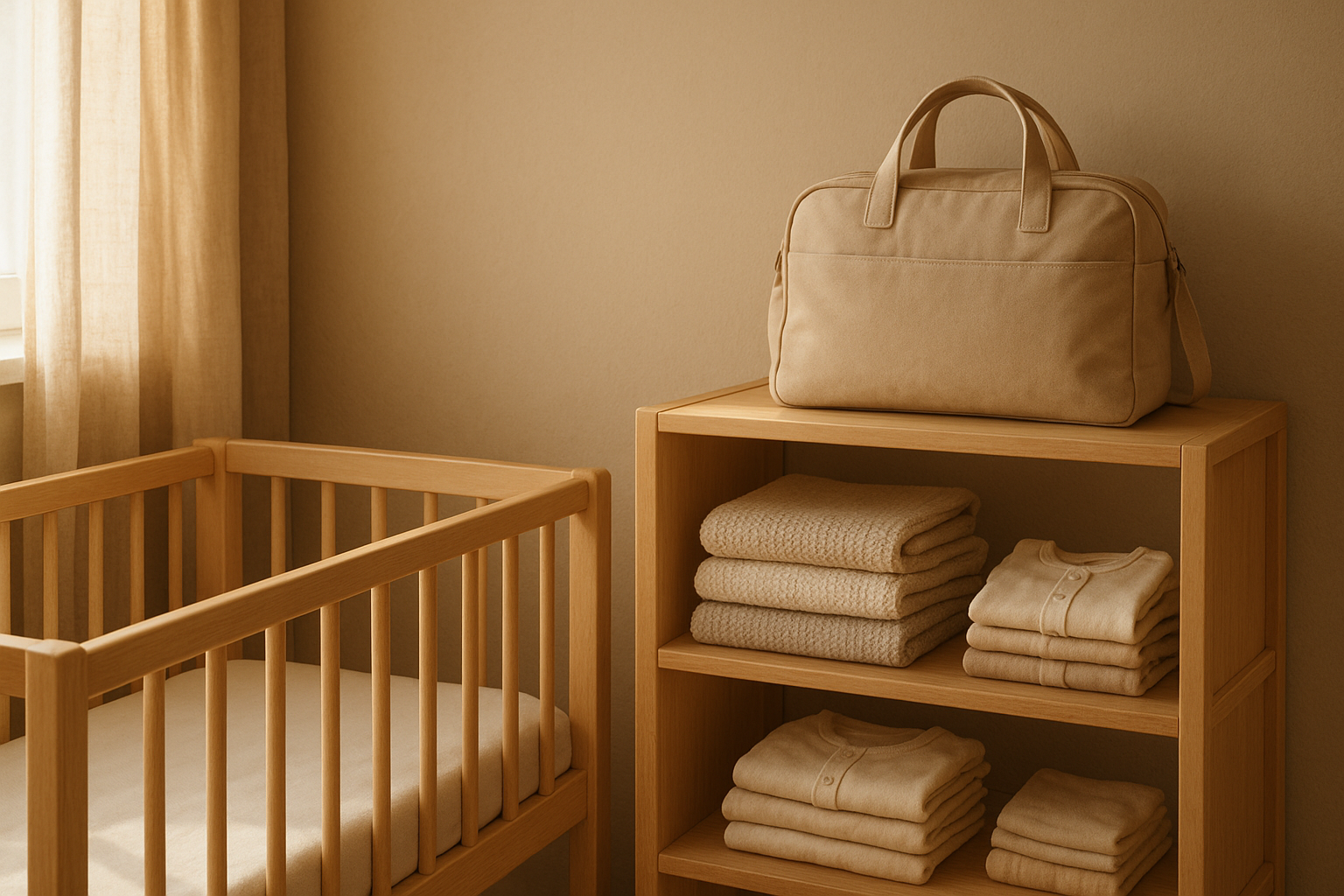
Baby gear essentials are the core products every new parent needs to keep an infant safe, comfortable, and happy during the first years of life. From car seats and cribs to strollers and feeding supplies, these items form the foundation of a well-prepared nursery. However, with thousands of products on the market, figuring out what truly counts as a must-have can feel overwhelming. This guide walks through the baby gear essentials that matter most, explains how to choose safe options, and offers practical tips for building a complete checklist without overspending. Whether you’re expecting your first child or restocking for a new arrival, this resource simplifies the process.
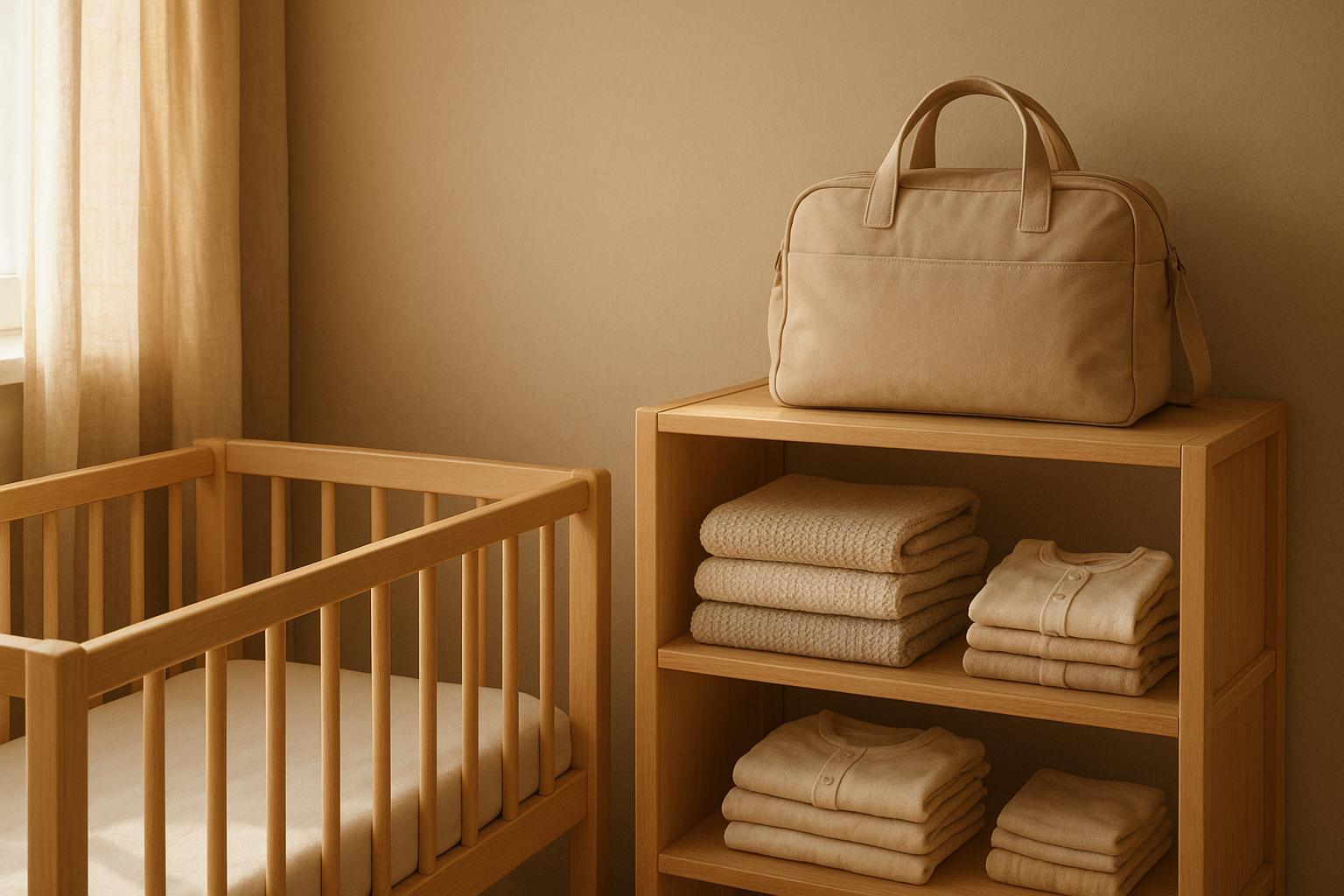
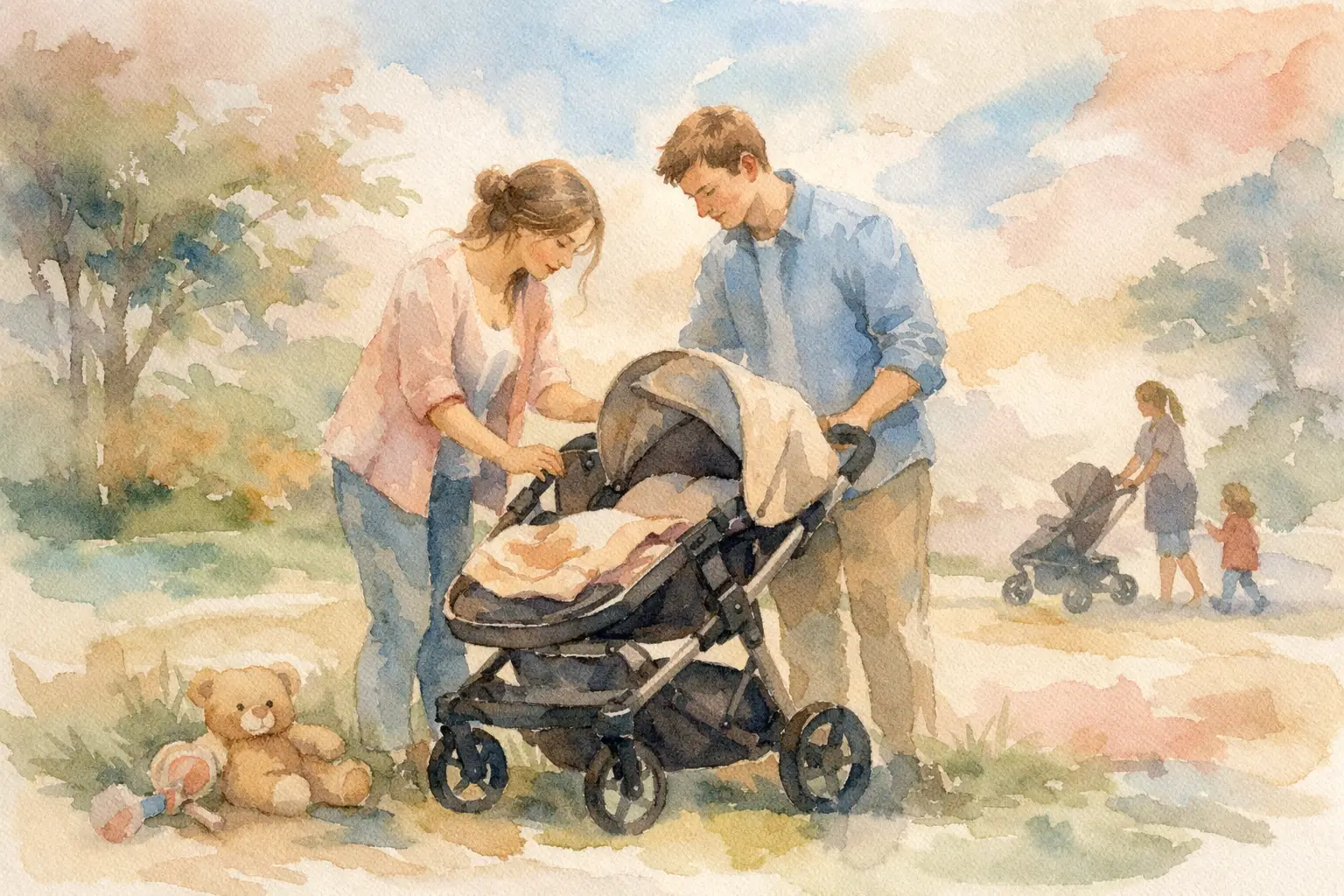
A well-organized nursery makes it easier to keep baby gear essentials within reach.
What Are Baby Gear Essentials?
Baby gear essentials refer to the basic equipment and supplies required to safely care for an infant, including sleeping, feeding, transportation, and clothing items. In particular, these products are considered essential because they directly support a baby’s health, safety, and daily routine.
For example, a car seat is legally required in every U.S. state before a newborn can leave the hospital by vehicle, according to the National Highway Traffic Safety Administration. Similarly, a firm crib mattress and fitted sheet are recommended by pediatric safety guidelines to reduce the risk of sudden infant death syndrome. As a result, these categories always rank above optional convenience items like baby swings or high-end monitors.
Building a Complete Baby Gear Essentials Checklist
Creating a baby gear essentials checklist early gives parents time to compare prices, read reviews, and avoid last-minute purchases. Below is a straightforward five-step process for organizing your shopping list before the baby arrives.
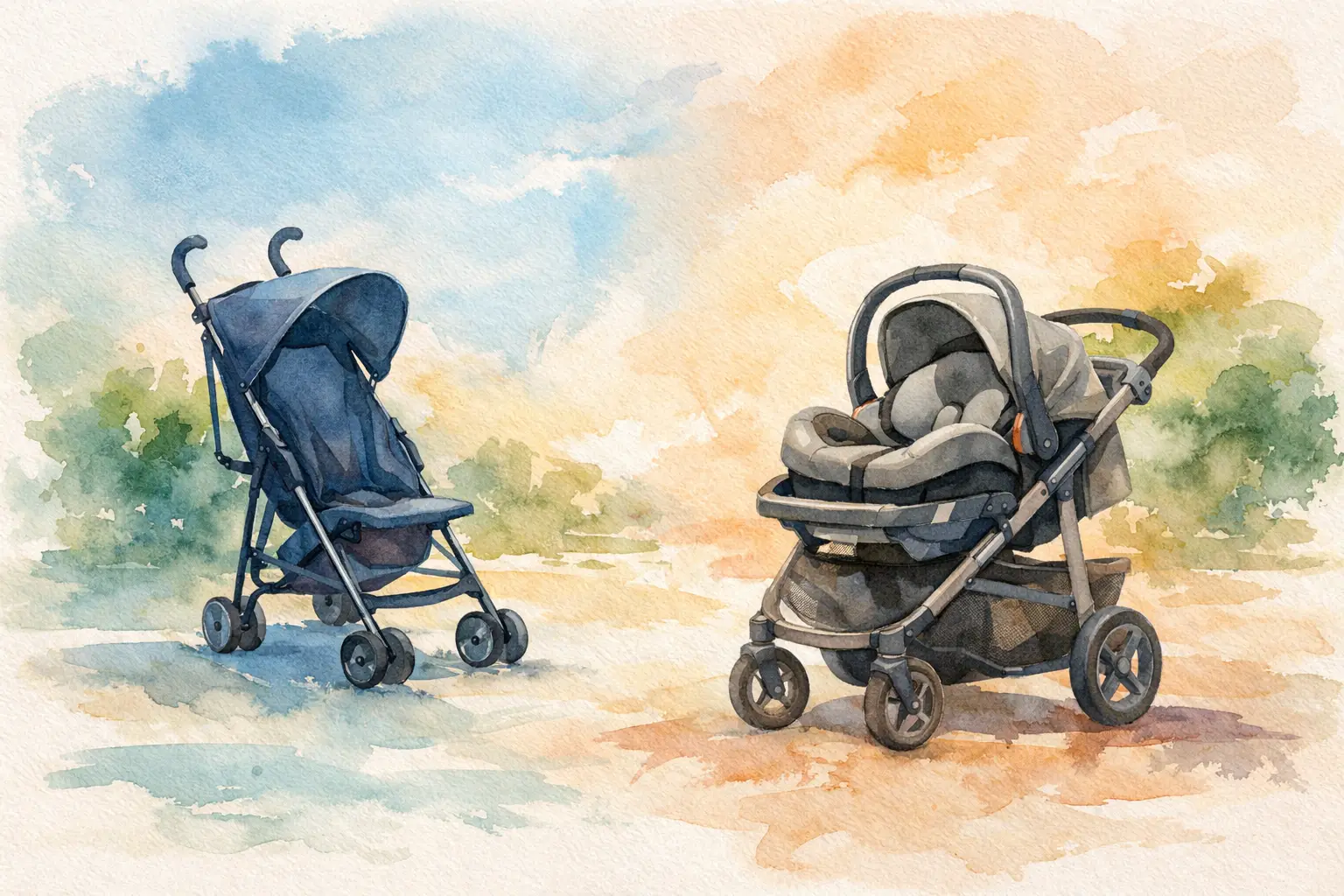
- Assess your daily routine and living space to determine which gear categories you’ll need most, since apartment living may require compact strollers while houses can accommodate bulkier items.
- Prioritize safety-certified items first, such as car seats and cribs, and check current safety standards through CPSC or NHTSA guidelines before purchasing anything else.
- Create a category-based list covering sleep, feeding, transport, clothing, and bath time, then rank items by urgency so newborn necessities are covered before optional extras.
- Compare prices across trusted retailers, read verified reviews, and look for bundle deals or outlet pricing to stretch your budget without compromising on safety-certified products.
- Reassess the checklist every few months since a baby’s needs change quickly, swapping out newborn-specific items for toddler-appropriate gear as your child grows and develops new skills.
For a ready-made starting point, this detailed baby essentials list covers nearly every category new parents ask about. In addition, the 2025 best picks guide highlights current top-rated products by category.
Must-Have Baby Care Items for Everyday Use
Beyond big-ticket gear, daily baby care items make up a large share of the essentials checklist. Diapers, wipes, a changing pad, thermometer, and a few burp cloths are used multiple times a day from the first week home.
Furthermore, feeding supplies such as bottles, a bottle brush, and a breast pump or formula dispenser are needed almost immediately regardless of feeding method. Consequently, stocking these smaller items alongside the larger gear prevents unnecessary store runs during those exhausting early weeks.
Nursery Essentials Every Newborn Needs
A functional nursery combines safe sleep gear with practical storage and comfort items. At minimum, this includes a crib or bassinet, a firm mattress, fitted sheets, a changing table, and a dresser for clothing storage.
For a full walkthrough of setting up this space, the complete nursery setup guide breaks down every product by room zone. Similarly, this guide to safe and stylish baby gear pairs safety features with design so parents don’t have to choose between the two.
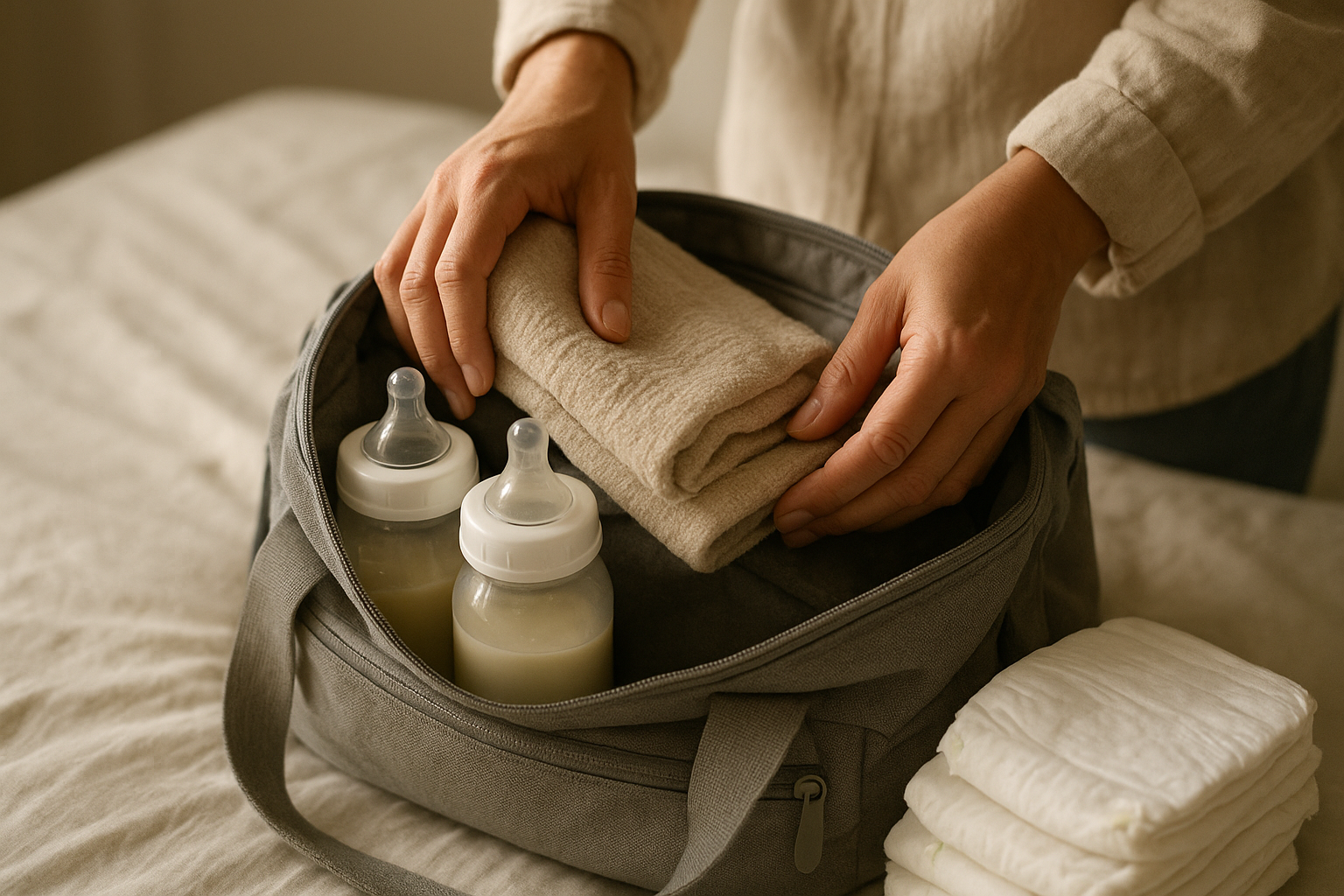
Packing a diaper bag ahead of time keeps daily essentials organized and ready to grab.
How to Choose Safe Baby Gear
Safety should always outweigh style or price when shopping for baby gear essentials. In particular, look for products that meet current federal safety standards and check the manufacturer’s website for open recalls before buying.
Notably, correctly installed car seats reduce the risk of fatal injury by 71% for infants in passenger vehicles, according to the National Highway Traffic Safety Administration. Therefore, it’s worth having installation checked by a certified technician at a local fire station or hospital before the baby’s first ride home. In contrast, secondhand items like cribs or car seats carry higher risk since past recalls or hidden damage may not be visible.
To learn more about material safety and design standards, this overview of child safety seats explains how modern restraint systems have evolved over the decades.
Smart Shopping Tips for Baby Essentials on a Budget
Buying every item brand new can quickly strain a family budget. However, there are practical ways to save without sacrificing safety or quality.
For instance, buying clothing and soft goods secondhand is generally safe, while car seats and cribs should be purchased new due to wear and recall history. Similarly, shopping outlet retailers or bundle sets often reduces cost per item compared to buying everything separately. You can browse curated, budget-friendly picks directly through Everything Childrens Outlet, which specializes in affordable, safety-focused baby products for families across the United States.
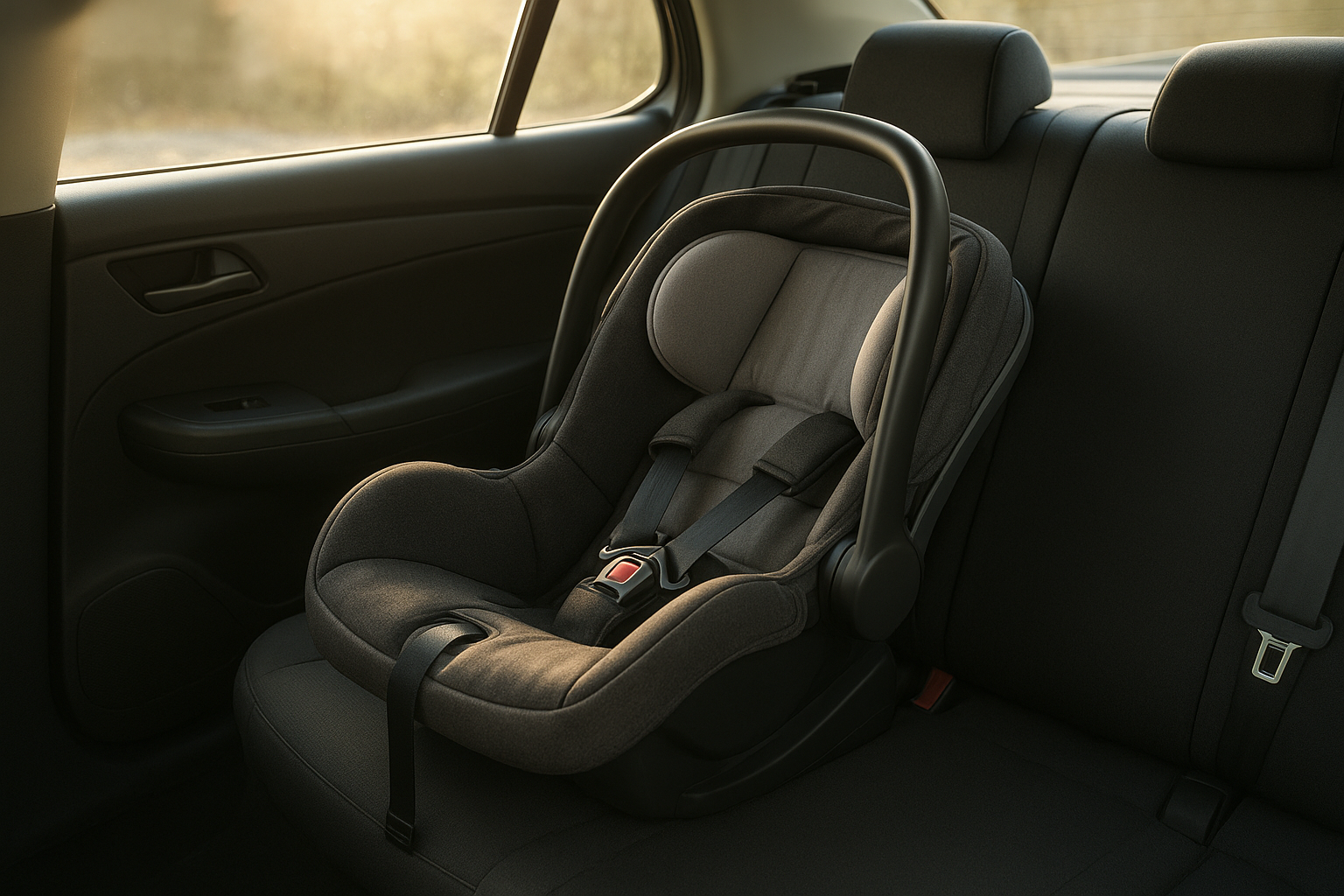
A properly installed car seat remains one of the most important baby gear essentials for travel safety.
Frequently Asked Questions About Baby Gear Essentials
What are baby gear essentials?
Baby gear essentials are the core items a newborn needs for safe sleep, feeding, transportation, and daily care, such as a crib, car seat, stroller, and diapering supplies. These products form the foundation of a well-prepared nursery and are considered non-negotiable for new parents.
How much should I budget for baby gear essentials?
Most families spend between $500 and $2,000 on essential baby gear before their child arrives, depending on brand choices and whether items are bought new or secondhand. Prioritizing safety-certified essentials first helps stretch a tighter budget.
When should I start buying baby essentials?
Most experts recommend starting around the second trimester, roughly 20 to 24 weeks into pregnancy, to allow time for research. This timeline also leaves room for shipping delays or restocks on popular items.
What is the difference between baby gear essentials and baby toys?
Baby gear essentials refer to functional items needed for safety and daily care, while toys are developmental products that support play and learning. Essentials are typically purchased first, with toys added gradually as a child grows.
How do I know if a car seat is installed correctly?
A correctly installed car seat should not move more than one inch side to side or front to back at the base. Many local fire stations and hospitals offer free installation checks by certified technicians.
What are the most common mistakes parents make when buying baby gear?
Common mistakes include overbuying newborn-sized clothing, skipping safety certifications to save money, and purchasing bulky gear before measuring available space. Waiting too long to test car seats before the due date is another frequent error.
Do I need both a bassinet and a crib?
A bassinet is optional but convenient for bedside sleeping in the first few months, while a crib is a longer-term essential. Many families use a bassinet temporarily before transitioning to a full-size crib around three to six months.
What baby gear essentials are required by law?
A properly installed car seat is legally required to bring a newborn home from the hospital and to transport a child in a vehicle in the United States. Requirements vary slightly by state regarding weight, height, and age thresholds.
How often should baby gear be inspected or replaced?
Car seats, cribs, and strollers should be inspected every few months for recalls, wear, or loose hardware. Most car seats have an expiration date printed on the frame, typically six to ten years from manufacture.
Can I buy secondhand baby gear safely?
Some items like clothing, bathtubs, and swings can safely be bought secondhand, but car seats and cribs should generally be purchased new due to safety recalls and wear over time. Always check the manufacturer’s recall list before using any used gear.
What should be included in a newborn nursery setup?
A newborn nursery setup should include a firm crib mattress, fitted sheets, a changing station, storage for clothing, and a comfortable feeding chair. Soft lighting and a sound machine are also popular additions.
How many outfits do I need for a newborn?
Most parents find that six to eight bodysuits, several sleepers, and a handful of outer layers cover a newborn’s needs between laundry cycles. Babies grow quickly, so buying a range of sizes is more practical than stocking up on one size.
What is the best way to organize a baby gear essentials checklist?
Organizing a baby gear essentials checklist by category, such as sleep, feeding, transport, and clothing, makes shopping more manageable and prevents duplicate purchases. Ranking items by urgency also helps parents prioritize spending in the final weeks before delivery.
Final Thoughts on Baby Gear Essentials
In summary, baby gear essentials cover everything a newborn needs for safe sleep, feeding, travel, and everyday comfort. Above all, safety-certified items like car seats and cribs should always take priority over optional extras.
By building a category-based checklist, comparing trusted retailers, and reassessing needs as your baby grows, you can furnish a nursery confidently and affordably. For more curated options and guidance, explore the full catalog at Everything Childrens Outlet, where families across the country find dependable, value-driven baby gear essentials for every stage of development.