Child safety products are the everyday tools that help parents protect babies and toddlers from the most common household hazards, from sharp corners to unlocked cabinets. Whether you’re setting up a nursery for the first time or childproofing a home for a newly mobile toddler, choosing the right gear can feel overwhelming. In this guide, we’ll break down exactly which child safety products matter most, how to evaluate quality and certification, and where to find trustworthy options for every stage of childhood.
Quick answer: Child safety products are certified items—like baby gates, outlet covers, cabinet locks, and car seats—designed to reduce the risk of injury for infants and children in and around the home and vehicle.
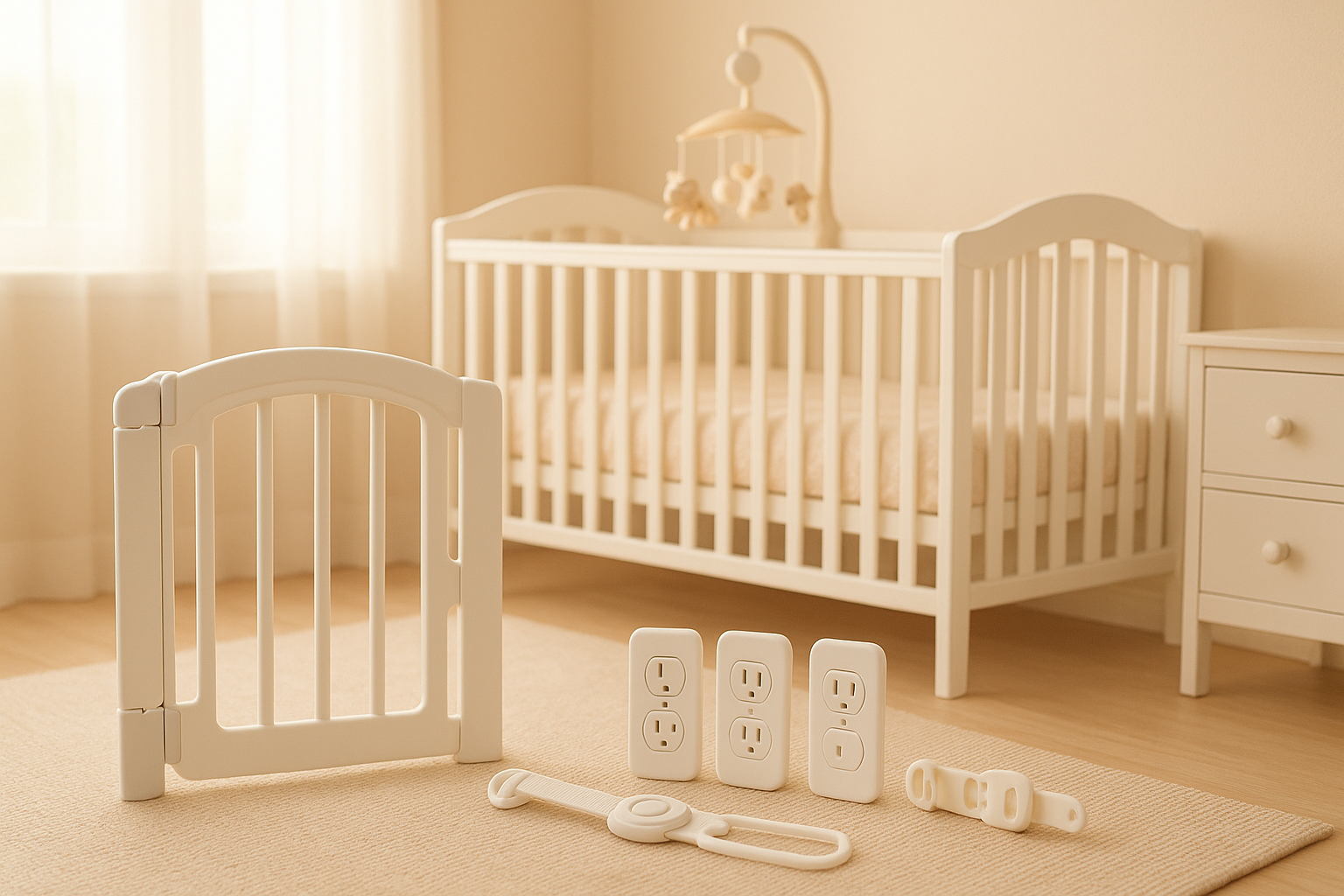
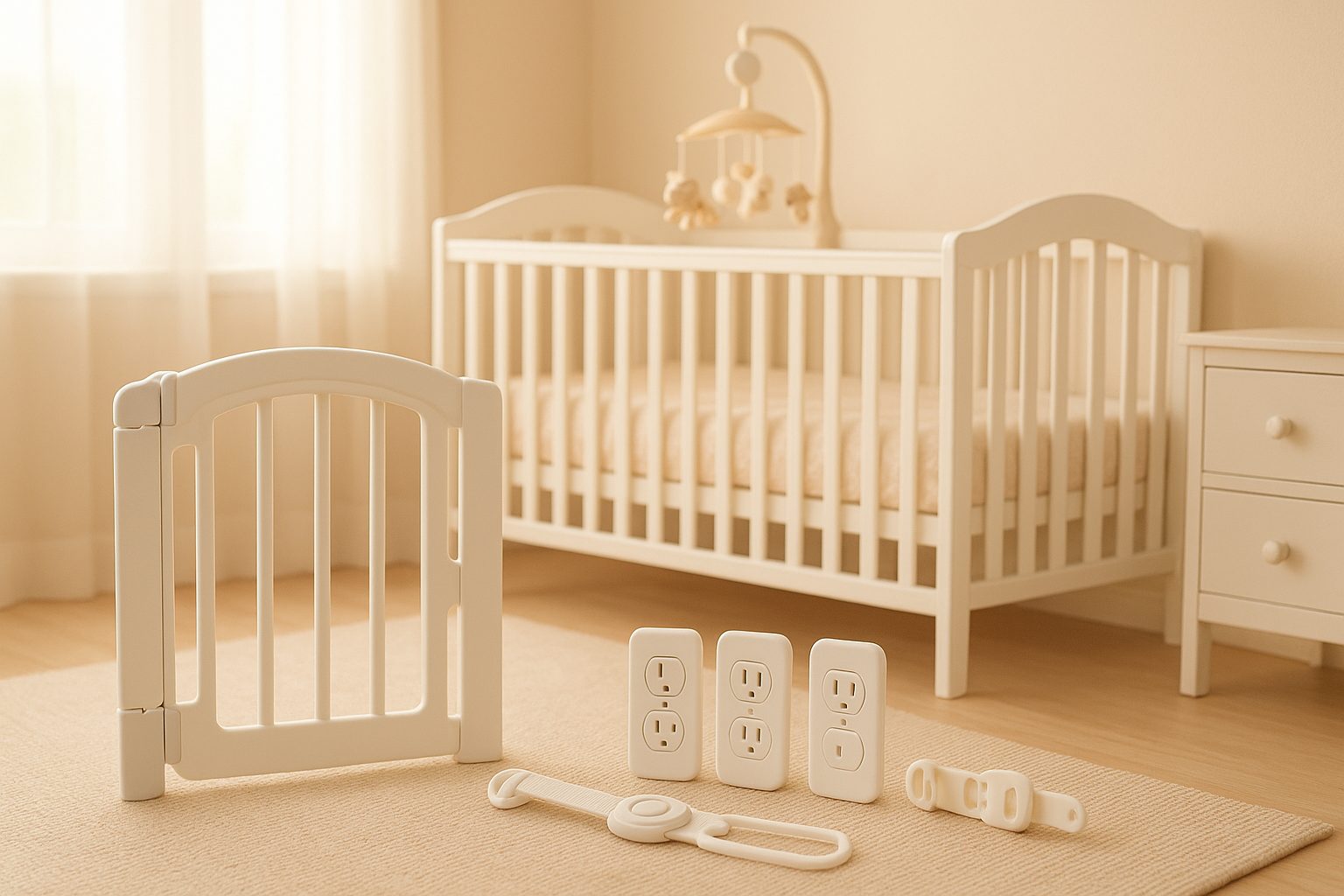
Common child safety products help transform an ordinary nursery into a secure, worry-free space.
What Are Child Safety Products?
Child safety products are specialized items engineered to protect infants and young children from injury, whether at home, in the car, or on the go. In particular, these products focus on reducing exposure to falls, choking, electric shock, poisoning, and burns. Common examples include stair gates, corner guards, cabinet locks, outlet covers, smoke detectors, and certified car seats.
According to the Centers for Disease Control and Prevention, unintentional injuries remain a leading cause of death for children in the United States, which is exactly why thoughtful product choices matter so much. As a result, many parents treat safety gear as a non-negotiable part of preparing a home for a growing child.
Why Baby-Proofing Gear Matters for Every Family
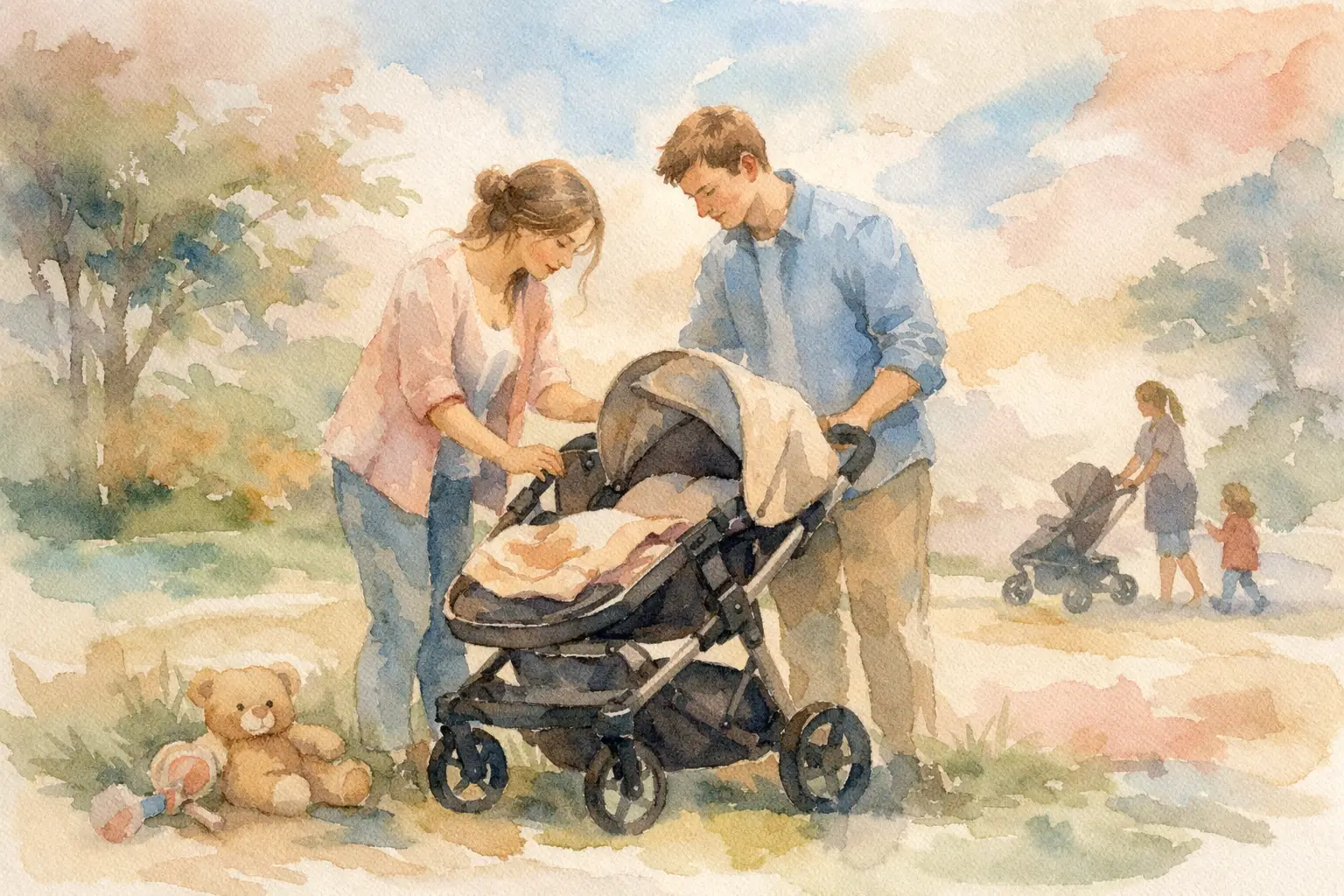
Babies and toddlers explore the world with their hands and mouths long before they understand danger. Consequently, even a well-supervised child can encounter a hazard in seconds—a reason many pediatric safety organizations, including the American Academy of Pediatrics, recommend proactive home safety measures.
In addition, safety gear provides peace of mind for busy households. For example, a properly installed stair gate allows a parent to answer the phone or start dinner without constant hovering nearby.
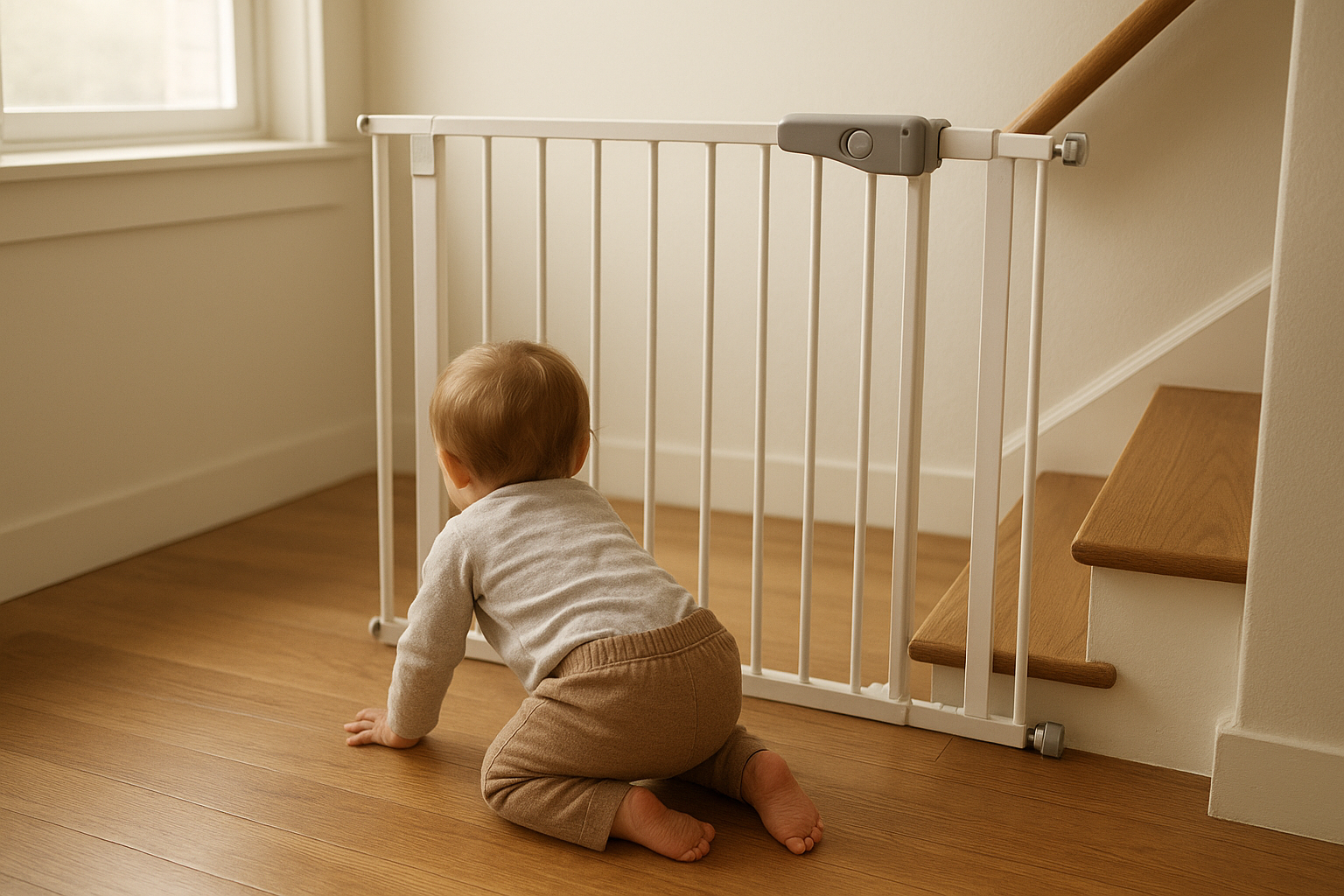
Hardware-mounted gates are among the most effective child safety products for staircases.
Essential Types of Child Safety Products for Every Age
Not every household needs the same equipment, since safety needs shift as children grow. Below is a breakdown of the categories worth prioritizing at each stage.
Baby Safety Gear and Nursery Safety Products
For newborns and infants, focus on nursery basics: a firm crib mattress with a fitted sheet, cordless window coverings, and a reliable baby monitor. Similarly, outlet covers and furniture anchors are worth installing early, even before a baby starts moving independently.
If you’re outfitting a nursery from scratch, our guide to baby essentials for 2025 covers additional must-haves beyond safety gear alone.
Toddler and Child Safety Equipment
Once a child starts crawling or walking, priorities shift toward stair gates, cabinet and drawer locks, corner guards, and toilet locks. Above all, toddlers require barriers that can withstand persistent pulling, pushing, and climbing attempts.
For outdoor play, safety extends to items like a sturdy tricycle designed for toddlers, which should include a low center of gravity and secure seating for younger riders.
How to Choose the Right Child Safety Products
Selecting effective gear doesn’t have to be complicated if you follow a consistent process. Here’s a simple, step-by-step approach.
- Identify your child’s current developmental stage and specific risks, such as crawling, climbing, or mouthing objects, so you can prioritize products that address those exact hazards immediately.
- Verify certification and compliance labels, such as ASTM International standards or CPSC compliance markings, printed directly on packaging or product descriptions before purchasing anything.
- Measure your space and furniture dimensions, because gates, guards, and locks only work effectively when sized correctly for doorways, stairs, and cabinets in your home.
- Read verified customer reviews and safety recall histories, since past product recalls can reveal recurring design flaws that manufacturers may have only partially fixed.
- Test the product’s installation difficulty and ease of daily use, because even the safest device fails if it is too complicated to install correctly or use consistently every day.
For a deeper dive on trusted retailers, see our comparison of one-stop shops for children’s essentials to see how selection and certification standards compare.
Common Mistakes to Avoid When Buying Safety Gear for Kids
Even well-intentioned parents sometimes make avoidable errors. For instance, choosing a pressure-mounted gate for the top of a staircase is a frequent mistake, since these gates can dislodge under pressure and should only be used at the bottom of stairs.
Another common misstep is skipping recall checks. Therefore, it’s worth searching a product’s model number on the U.S. Consumer Product Safety Commission website before completing a purchase.
Finally, some parents assume all safety products are interchangeable across children. However, items like car seats and helmets have expiration dates and should not be reused indefinitely.
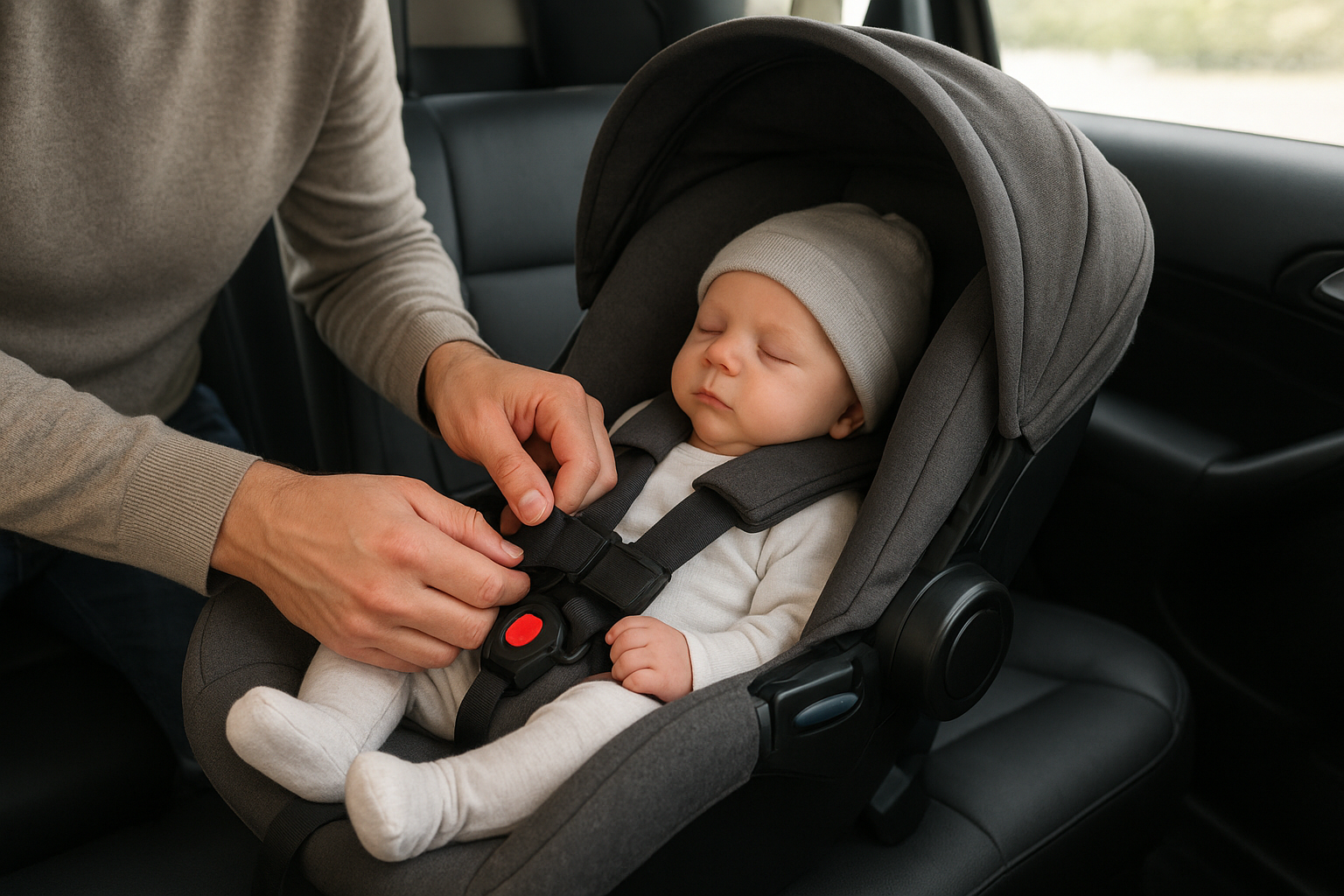
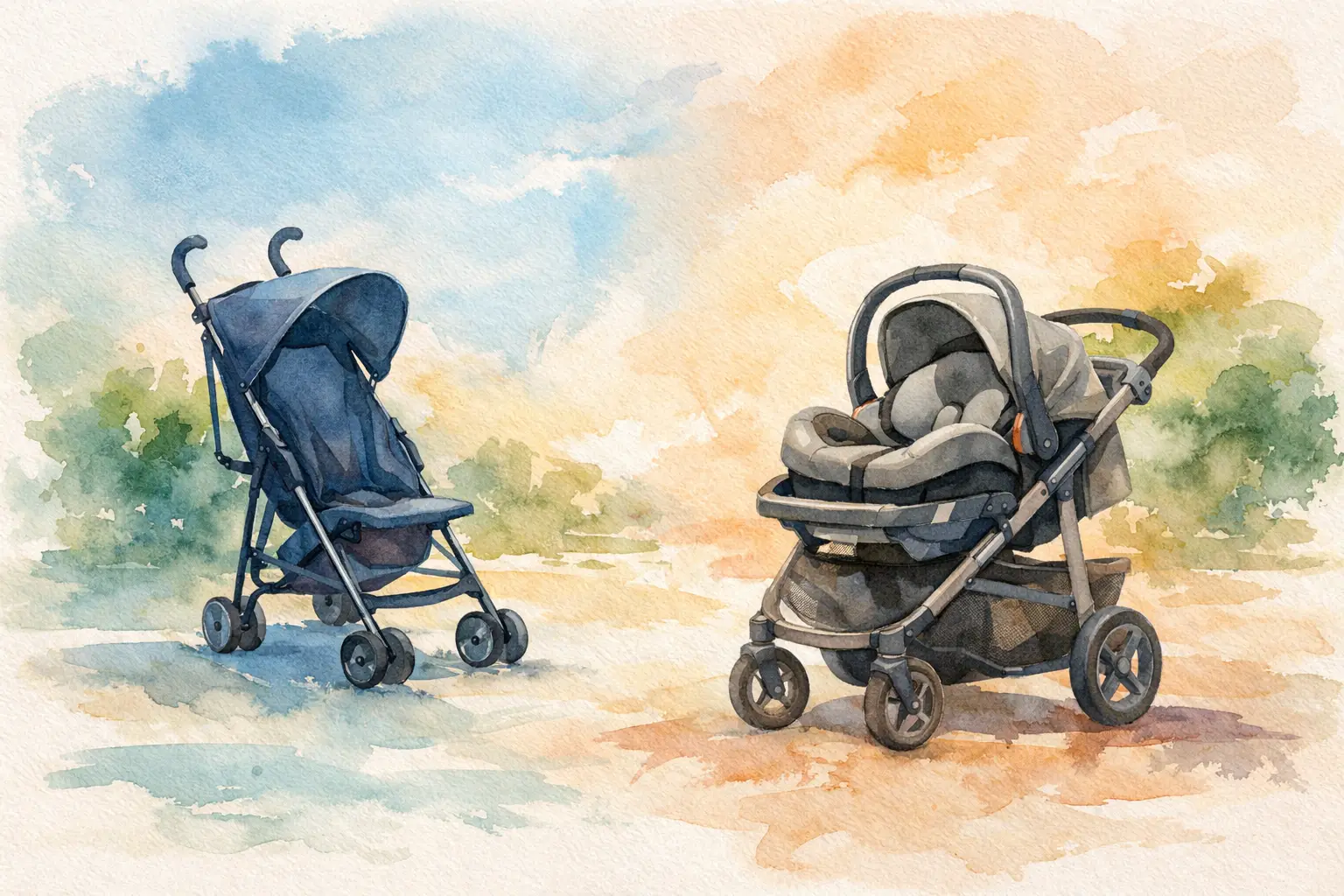
Correct installation is just as important as product choice when it comes to car seat safety.
Car Seats and Beyond: Safety on the Go
Car seats deserve special attention, since motor vehicle travel presents ongoing risk for young children. In fact, the National Highway Traffic Safety Administration recommends keeping children in rear-facing seats as long as possible based on height and weight limits.
Beyond the car, consider a child safety seat for strollers and shopping carts, plus properly fitted bike helmets once your child starts riding a toddler trike.
Where to Find Trusted Child Safety Products Online
Shopping online offers convenience, but it also means you can’t physically inspect materials before buying. As a result, it’s wise to stick with retailers that clearly list certification details and safety standards for every listing.
If you’re comparing baby gear more broadly, our roundup of safe and stylish baby gear that works highlights options that balance protection with everyday practicality. You can also browse the full catalog directly at everythingchildrensoutlet.com for curated, family-tested selections.
Frequently Asked Questions About Child Safety Products
What are child safety products?
Child safety products are items designed specifically to protect babies and children from common household hazards, such as falls, choking, electrical shock, and burns. Examples include baby gates, outlet covers, cabinet locks, and car seats.
How do I know which child safety products my baby needs first?
Start with products that match your child’s current mobility stage, such as a firm crib mattress and outlet covers for newborns. As your child begins crawling or walking, add gates, corner guards, and cabinet locks.
Why are child safety products important for toddlers specifically?
Toddlers are naturally curious and mobile but lack the judgment to recognize danger, which makes them especially vulnerable to falls and accidental poisoning. Safety products act as physical barriers that reduce exposure to these risks while independence develops.
What is the difference between baby proofing and general child safety products?
Baby proofing refers to the overall process of making a home safer, while child safety products are the specific tools used to achieve that goal. In short, baby proofing is the strategy, and safety products are the equipment.
How much do child safety products typically cost?
Basic items like outlet covers and corner guards often cost under $10, while a full nursery safety setup with gates and monitors can range from $150 to $400. Pricing depends heavily on brand, materials, and certification level.
How long does it take to babyproof a home with safety products?
A basic single-room setup can be completed in a single afternoon, while a whole-house childproofing project typically takes a full weekend. Installing hardware-mounted gates and furniture anchors usually takes the most time.
What are the most common mistakes parents make when buying safety products for kids?
The most common mistake is purchasing products without checking certification labels or recall histories. Another frequent error is choosing pressure-mounted gates for stairways, where hardware-mounted gates are strongly recommended instead.
Are car seats considered child safety products?
Yes, car seats are one of the most critical child safety products available, since motor vehicle crashes remain a leading cause of injury for young children. They must meet federal safety standards and be installed correctly to work effectively.
What certifications should I look for on child safety products?
Look for ASTM International compliance and CPSC certification markings printed on packaging or product listings. These indicate the product has passed recognized safety testing standards in the United States.
Can I reuse child safety products for multiple children?
Many hardware items like cabinet locks and outlet covers can be reused safely across children as long as they show no wear or damage. However, car seats and helmets should generally not be reused after an expiration date or crash event.
What child safety products are essential for a nursery?
Essential nursery safety products include a firm, well-fitted crib mattress, cordless window coverings, a baby monitor, and outlet covers. These address the most common nursery-related hazards identified by pediatric safety experts.
How often should safety gates and locks be inspected or replaced?
Safety gates and locks should be checked monthly for loose screws, cracked plastic, or worn hinges. Replace any hardware immediately if it no longer closes or latches securely.
Where can I buy affordable, high-quality child safety products online?
Trusted retailers that specialize in curated baby and toddler gear, such as everythingchildrensoutlet.com, offer a convenient way to compare certified child safety products in one place. Always confirm certification details in the product description before purchasing.
Do child safety products expire?
Yes, many child safety products have expiration dates, particularly car seats, which typically expire six to ten years after manufacture. Plastic components can also degrade over time, reducing their protective effectiveness.
What’s the best age to start introducing safety products at home?
The best time to start is before your baby becomes mobile, generally around four to six months old. Introducing child safety products early gives you time to test installation and adjust before your child begins crawling.
Final Thoughts on Building a Safer Home
Ultimately, choosing the right child safety products comes down to matching gear to your child’s developmental stage, verifying certifications, and testing installation before relying on it daily. From nursery basics to car seats and outdoor gear, a thoughtful, layered approach offers the best protection for growing families.
As your child grows, revisit your safety setup regularly, since needs change quickly during the first few years. With the right combination of certified child safety products and consistent supervision, you can create a home environment that supports both safety and healthy exploration.