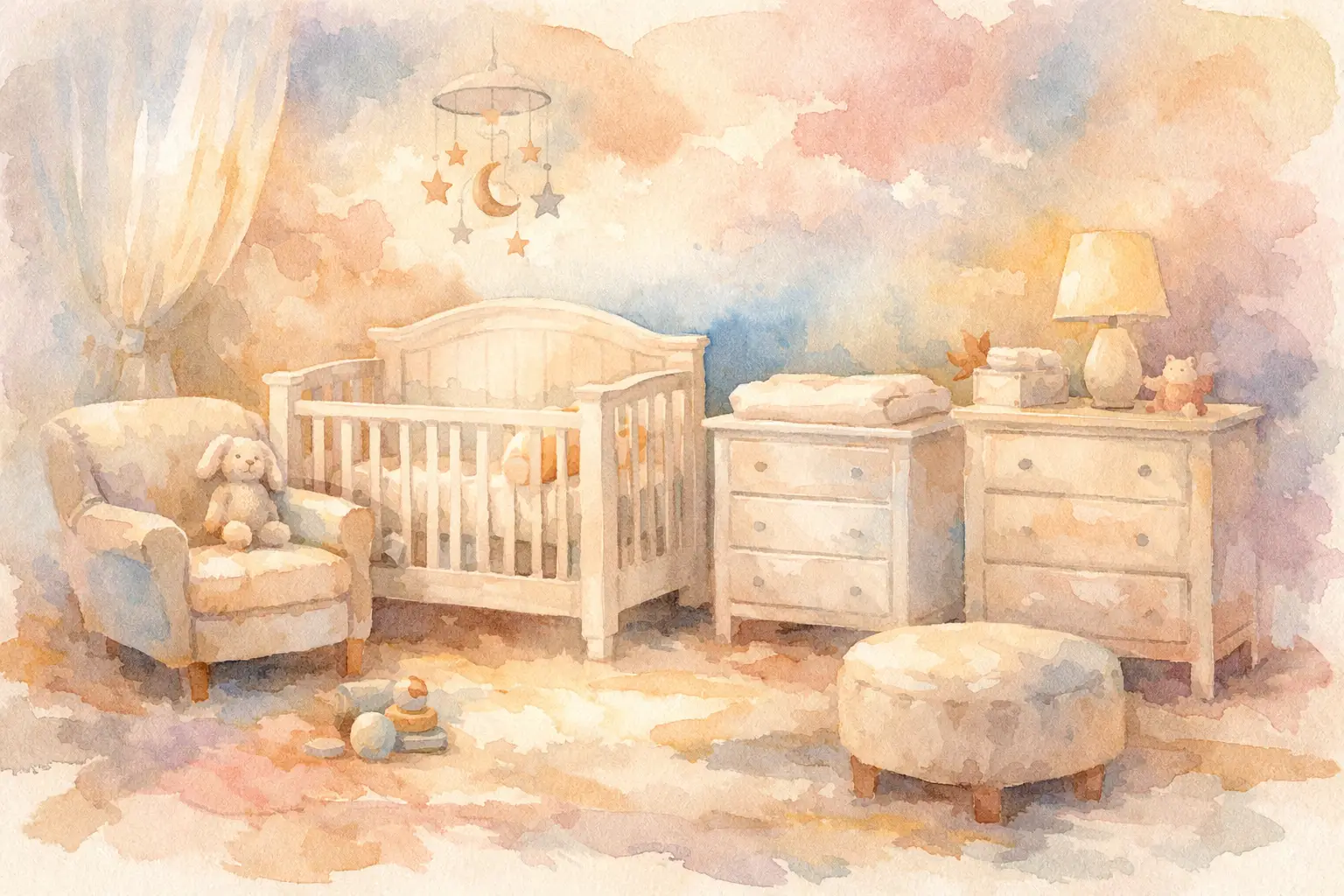
The crib looks perfect in the photo. The dresser matches. The rocker seems cozy enough for 3 a.m. feedings. Then reality hits – will it all fit, stay useful, and still feel right six months from now? That is where nursery furniture sets can make life easier, as long as you choose with your real routine in mind, not just the showroom look.
For many families, a set takes some of the guesswork out of building a nursery. Pieces are designed to coordinate, sizing is usually more intentional, and shopping feels simpler when you are already juggling a long baby checklist. Still, not every set is the right fit for every room, budget, or stage. A smart buy is less about getting the biggest bundle and more about choosing the pieces your family will actually use every day.
A nursery usually needs to do several jobs at once. It has to be a safe sleep space, a storage zone for clothes and diapers, and a calm corner for feeding, rocking, and settling baby back to sleep. Buying individual pieces can work, but it often turns into a time-consuming mix-and-match process.
Nursery furniture sets help simplify that. You get a coordinated look without hunting through multiple collections, and the finish, scale, and style are more likely to work together. That matters if you want the room to feel pulled together without spending weeks comparing wood tones and hardware. For a deeper walkthrough, see our Kids Furniture for Small Rooms That Works.
There is also a practical side. Sets can offer better value than buying each piece separately, especially when you need the core essentials right away. But value depends on what is included. A lower price is not always the better deal if the set leaves out storage you will have to buy later.
Most nursery furniture sets include a crib and at least one storage piece, usually a dresser or changing combo. Larger sets may add a nightstand, chest, hutch, or glider. What you need depends on your space and how you plan to use the room. For a deeper walkthrough, see our Kids Room Storage Furniture That Works.
The crib is the anchor piece, so start there. Look for a sturdy build, a mattress support with adjustable height, and a design that works with your timeline. Some parents like a standard crib they can use just for the baby years. Others prefer a convertible crib that may transition into a toddler bed later. Neither choice is automatically better. If you know you want longer-term use, convertible can make sense. If you would rather keep things simple and replace pieces as your child grows, a basic crib may be the more budget-friendly move.
The dresser often matters more than people expect. Babies come with more clothes, blankets, burp cloths, and changing supplies than many first-time parents imagine. A dresser with deep drawers can reduce clutter fast. If the top is sturdy enough for a changing pad, it may also save you from needing a separate changing table.
A glider or rocker is more of an it-depends purchase. For some households, it becomes the most-used seat in the room. For others, it ends up taking valuable floor space. If the nursery is small, you may be better off focusing on storage and using a comfortable chair you already own.
A cute nursery matters. A safe nursery matters more.
When comparing nursery furniture sets, pay close attention to safety details. The crib should meet current US safety standards, with properly spaced slats and no outdated drop-side design. Dressers and chests should be anchor-ready to help prevent tip-over risk. Smooth finishes, solid construction, and stable drawer movement all make a difference in daily use.
This is also where materials and finish quality deserve a closer look. Families often want furniture that feels child-friendly, not overly delicate. A finish that wipes clean easily is more practical than one that shows every scuff or fingerprint. Rounded edges can be helpful too, especially once little ones start pulling up and moving around.
If you are shopping online, read product details carefully. Photos can show style, but dimensions, materials, and safety features tell you whether a set fits your home and your peace of mind.
One of the most common mistakes is buying for the dream nursery instead of the actual room. Before choosing a set, measure carefully. That includes wall space, doorway width, window placement, and clearance for drawers and rocking chairs.
A larger set can sound like a better value, but it is not a bargain if the room feels crowded. You need enough open space to move safely while holding a baby, especially in the dark and on very little sleep. In a smaller nursery, a crib and dresser may be all you need. In a bigger room, you may have space for a glider and extra storage without sacrificing comfort.
Think about flow too. The best nursery setups make everyday tasks easier. A dresser near the crib helps with clothing changes. A chair with room for a small side table can make nighttime feeds more manageable. Furniture should support your routine, not force awkward workarounds.
Most families are trying to balance quality with a realistic budget. That does not mean you have to choose the cheapest option or the biggest set. It means focusing on what will give you the most use. For a deeper walkthrough, see our How to Choose a Girls Hair Accessories Set.
If your budget is tight, prioritize the pieces that do the most work. A crib and dresser usually cover the basics. If a changing topper is available, that can stretch one piece further. If a convertible crib costs more upfront but fits your long-term plans, it may be worth considering. If not, there is nothing wrong with choosing simpler furniture that meets today’s needs.
Style can affect longevity as well. Trendy details may feel exciting now, but classic finishes often stay easier to live with as your child grows. Soft white, natural wood, gray, and other versatile tones tend to adapt well if the room later shifts from nursery to toddler space.
Parents often feel pressure to create a picture-perfect nursery. Real life asks different questions. Can you reach what you need quickly? Will this surface handle daily wear? Does the room still feel calm when it is full of diapers, wipes, and tiny socks? For a deeper walkthrough, see our 12 Educational Toys Ideas Parents Will Use.
The best nursery furniture sets strike a balance between style and function. Clean lines, simple hardware, and easy-to-coordinate finishes make decorating easier. At the same time, practical storage, durable construction, and easy-care surfaces are what keep the room working week after week.
If you already know your home style, use that as a guide. A modern set can feel fresh and uncluttered. A classic set can feel warm and timeless. A playful look may suit a family that wants the nursery to grow into a cheerful kid space. The right answer is not about trends. It is about choosing furniture that feels good in your home and useful in your daily routine.
A full set can be a smart choice if you are furnishing from scratch, want a coordinated look, and would rather make one confident purchase than piece the room together over time. It is especially helpful for new parents who want to simplify decision-making and check off a major category in one go.
But a full set is not always necessary. If you already have a dresser you love, or if the nursery doubles as a guest room, mixing pieces may be the better route. Some families also start with the basics and add more later once they understand what the room really needs. That is a sensible approach, not a second-best one.
The key is to shop for your home, not someone else’s list. A nursery should support feeding, changing, sleeping, and storage in a way that feels manageable for your family.
When you are ready to shop, keep your focus on safety, size, storage, and lasting value. A well-chosen set can make the room feel more organized from day one and help the early months run a little smoother. And when a nursery works the way you need it to, the whole space feels a little more comforting – for baby and for you.