Organic baby clothes are garments made from fibers grown without synthetic pesticides, chemical fertilizers, or genetically modified seeds — and for good reason, they have become one of the most searched categories by new parents. A baby’s skin is thinner and more permeable than adult skin, meaning chemical residues in conventional fabrics can be absorbed more readily. Choosing organic clothing is therefore one of the simplest, most effective steps you can take to protect your infant from unnecessary chemical exposure from day one.
In fact, according to the U.S. Environmental Protection Agency, conventional cotton farming accounts for a significant share of global pesticide use. That reality makes the case for organic fiber even stronger when it comes to clothing worn directly against a newborn’s skin.
What Makes Organic Baby Clothes Different?
Organic baby clothes differ from conventional clothing at every stage of production. First, the raw fiber — most often cotton — is grown on certified organic farms that prohibit synthetic chemicals. Then, the fabric is processed using low-impact dyes and finishes that meet strict safety thresholds. Finally, the finished garment must pass third-party testing before it earns a recognized certification label.
Conventional cotton, by contrast, may be treated with formaldehyde-based wrinkle-resistance finishes, flame retardants, or optical brighteners. These treatments can linger in the fabric long after manufacturing. For a baby who spends most of their day in close contact with clothing, that distinction matters enormously.
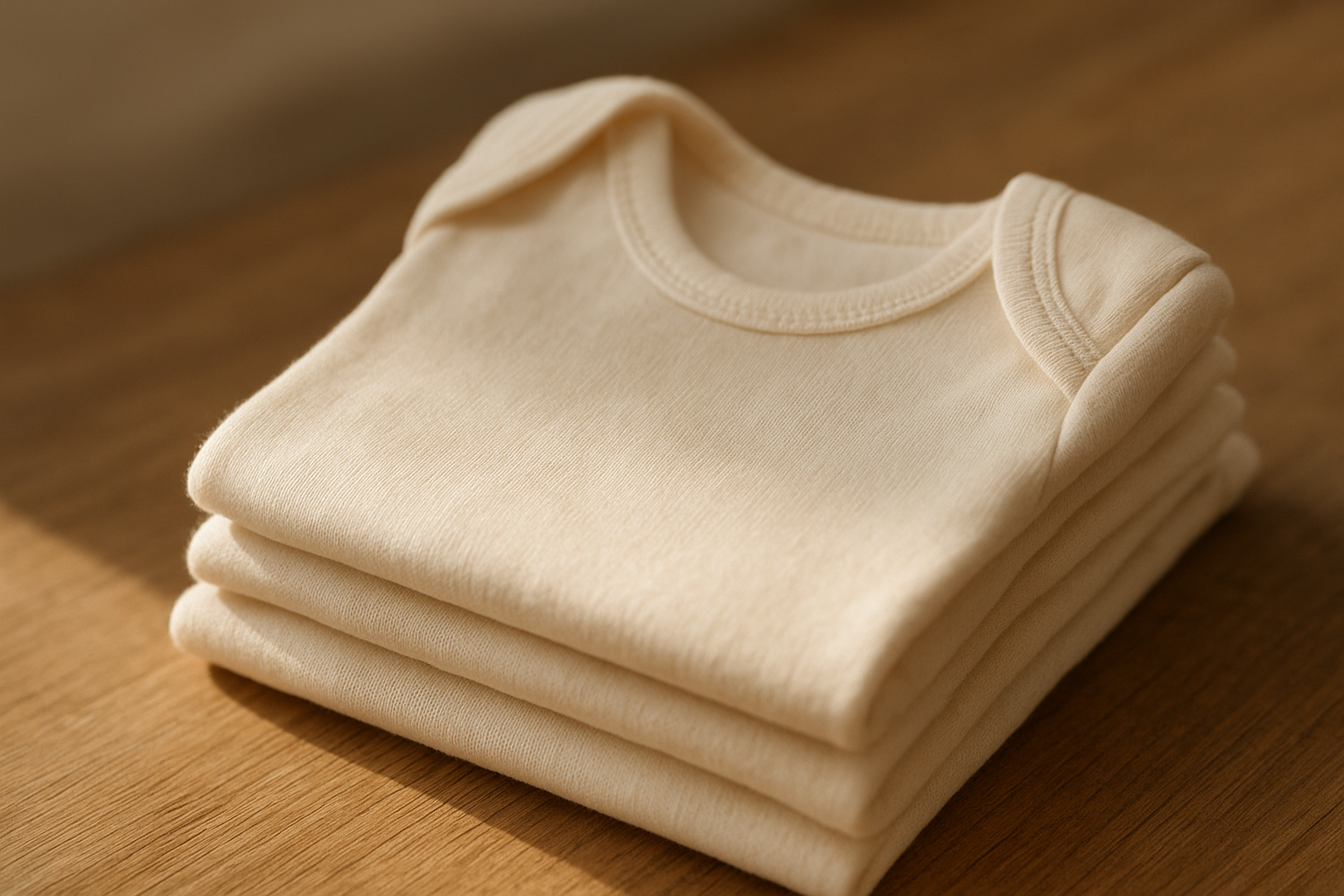
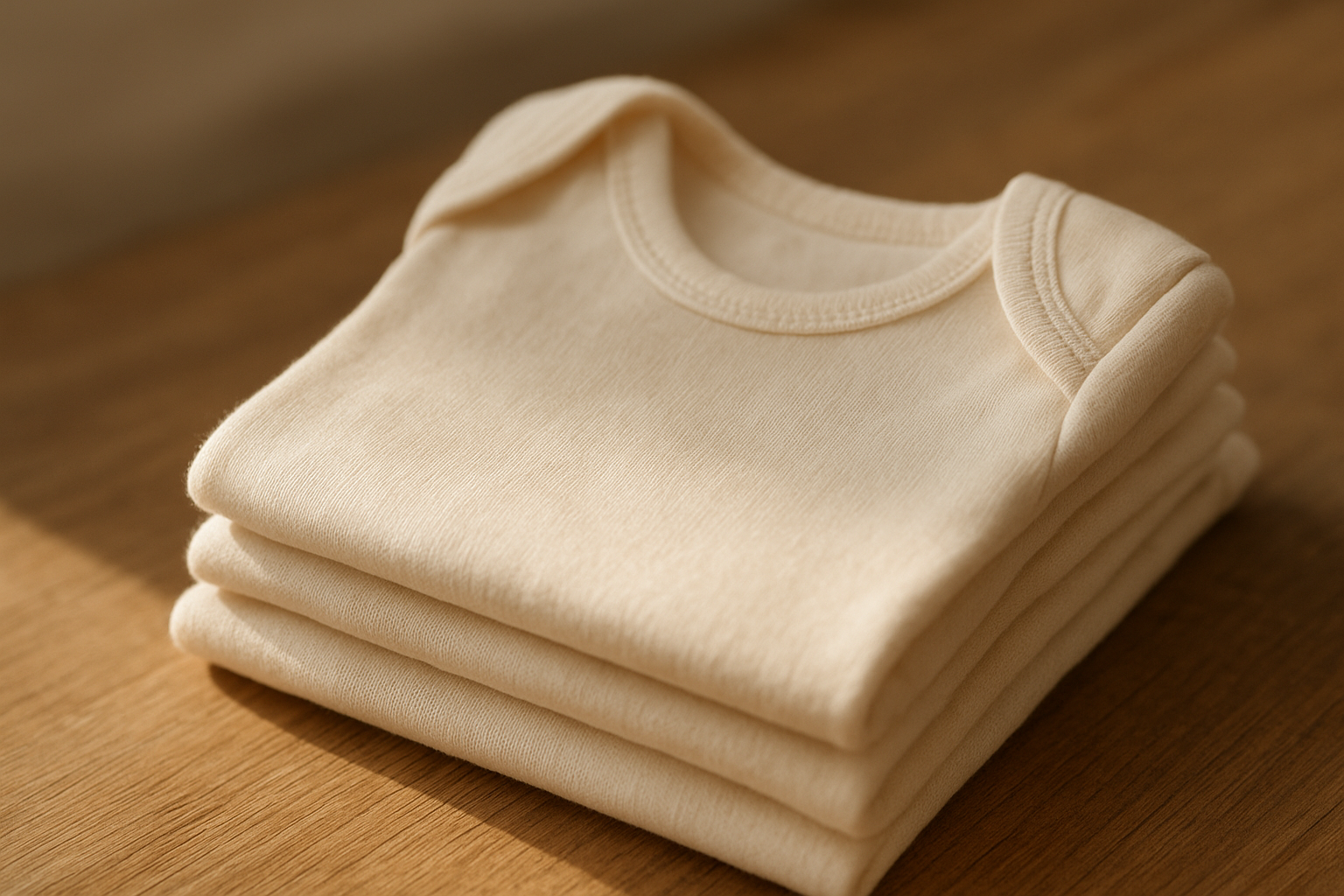
Organic baby clothes made from certified cotton are noticeably softer and free from harsh chemical finishes.
Top Certifications to Look for on Baby Clothing Labels
Not all “organic” claims are created equal. Therefore, understanding the leading certifications helps you shop with confidence rather than relying on marketing language alone.
GOTS — The Gold Standard
The Global Organic Textile Standard (GOTS) is widely considered the most comprehensive certification for organic textiles. It requires that at least 70% of a fabric’s fibers be certified organic, and it covers the entire supply chain — from farming through dyeing, finishing, and labeling. Specifically, GOTS prohibits many toxic dyes, heavy metals, and formaldehyde treatments.
Furthermore, GOTS includes social criteria, meaning certified factories must also meet fair labor standards. When you see a GOTS label, you can be confident that the garment meets rigorous environmental and ethical benchmarks.
OEKO-TEX Standard 100
OEKO-TEX Standard 100 certifies that every component of a finished textile — including threads, buttons, and zippers — has been tested for harmful substances. It does not require organic fiber sourcing, but it does guarantee the final product is free from dangerous chemicals. As a result, it is a strong secondary indicator of safety even when GOTS is not present.
USDA Organic
The USDA Organic seal applies to fiber at the agricultural level, confirming the raw material was grown to organic farming standards. However, it does not cover textile processing, so a garment with only a USDA Organic label may still contain chemical finishes applied later in manufacturing. For this reason, GOTS remains the more complete standard for finished clothing.
How to Choose the Best Organic Baby Clothes: A Step-by-Step Guide
Selecting the right certified clothing for your baby does not have to be overwhelming. In fact, following a straightforward process makes it much easier to find safe, comfortable, and durable options.
- Check for a recognized organic certification. Look for GOTS or OEKO-TEX Standard 100 labels on the product tag or retailer listing. These certifications require independent audits, so they are far more reliable than unverified claims like “natural” or “eco-friendly.”
- Choose the right fabric for your baby’s needs. Select organic cotton for everyday breathable wear. Consider organic bamboo for temperature-sensitive babies, since bamboo fiber naturally regulates body heat. For cooler months, organic merino wool offers excellent warmth and moisture management.
- Size up slightly to account for rapid growth. Babies grow quickly — often outgrowing a size within weeks. Choosing one size larger ensures a longer wear period and better value from each garment.
- Review dye and finish safety. Confirm that colors and prints use low-impact, non-toxic dyes free from azo compounds and heavy metals. These substances can be absorbed through a baby’s delicate skin during prolonged wear.
- Compare price per wear across certified brands. Divide the garment price by the estimated number of wears before outgrowth. This calculation helps you identify the best value among certified organic options, especially since higher-quality organic fabrics typically last longer.
Best Fabric Choices for Chemical-Free Baby Clothing
Beyond certification, the type of fiber matters for day-to-day comfort. Each organic fabric has unique properties that suit different seasons and sensitivities.
Organic Cotton
Organic cotton is the most widely available and versatile choice. It is naturally soft, highly breathable, and easy to launder. Consequently, it works well for onesies, sleepwear, and everyday outfits across all seasons. Most parents find it the most practical starting point when transitioning to natural fiber baby clothing.
Organic Bamboo
Organic bamboo fabric is exceptionally silky and moisture-wicking. It also has natural antibacterial properties, which can help manage odor and keep skin fresher between washes. However, it is important to verify that bamboo clothing carries a recognized certification, since the processing of bamboo into fabric can involve harsh chemicals if not managed responsibly.
Organic Merino Wool
Organic merino wool is ideal for cooler temperatures. It regulates body heat naturally, keeping babies warm without overheating. Additionally, merino fibers are much finer than standard wool, making them soft enough for sensitive newborn skin without the itching associated with conventional wool blends.
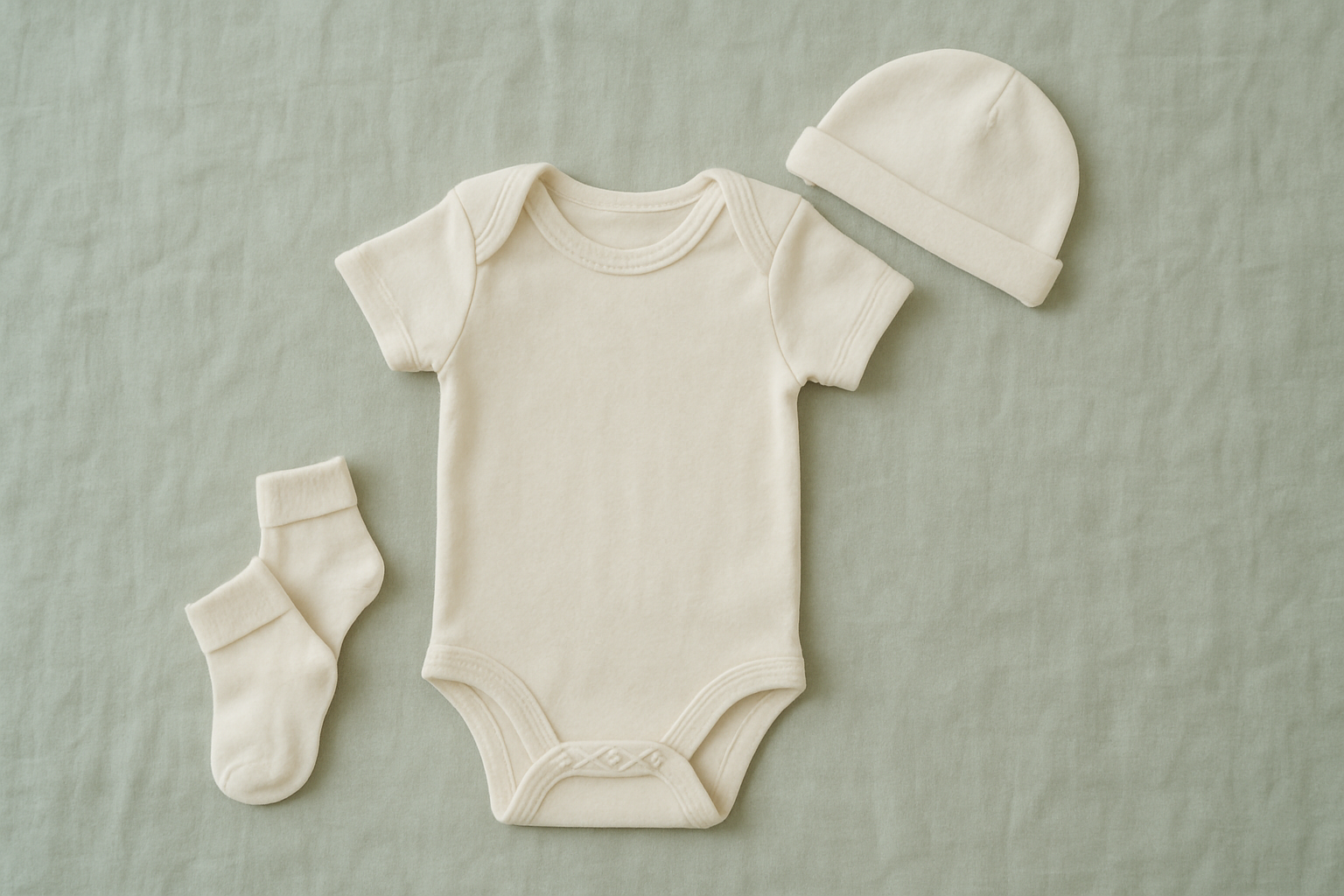
A variety of natural fiber baby garments, from onesies to hats, illustrates the range available in certified organic baby clothing.
Affordable Options: Where to Find Safe Baby Clothing Without Overspending
A common concern among parents is that organic clothing comes with a steep price tag. In reality, affordable options exist across a range of budgets — especially when you shop strategically.
One effective approach is to focus organic spending on items with the highest skin contact, such as onesies, sleepwear, and bodysuits. For outerwear or accessories worn over other layers, conventional fabrics present less risk. Similarly, buying multi-piece sets rather than individual items typically reduces the per-garment cost significantly.
At Everything Children’s Outlet, parents can browse a thoughtfully curated selection of baby and children’s clothing designed with comfort, safety, and practicality in mind. The catalog includes soft, age-appropriate apparel for infants and toddlers, making it a convenient one-stop resource for families seeking quality at accessible price points. For example, the summer toddler outfit sets offer lightweight, breathable options that pair well with a natural-fiber wardrobe foundation.
Additionally, exploring affordable children’s clothing guides can help you identify the best value picks across categories without sacrificing quality or safety standards.
Caring for Natural Fiber Baby Garments
Proper care extends the life of organic garments considerably. Therefore, following a few simple laundering habits protects both the fabric and your investment.
Wash organic baby clothes in cold or warm water using a gentle, fragrance-free detergent. Avoid fabric softeners, as they coat fibers and reduce breathability over time. Furthermore, skip the bleach entirely — it breaks down organic fibers and can reintroduce harsh chemicals into the garment. Line drying or tumble drying on low heat preserves shape and softness far better than high-heat cycles.
For parents building a complete baby wardrobe, the baby essentials guide for 2025 offers a helpful overview of must-have items beyond clothing, from nursery products to developmental toys — all curated with the same focus on safety and value. For a deeper walkthrough, see our Nursery Products for Newborns: Complete Setup Guide.
Frequently Asked Questions About Organic Baby Clothes
What are organic baby clothes?
Organic baby clothes are garments made from fibers grown without synthetic pesticides, herbicides, or GMO seeds. They are typically certified by standards like GOTS or OEKO-TEX to confirm they are free from harmful chemicals.
Why should I choose organic baby clothes over conventional ones?
Organic baby clothes reduce your infant’s exposure to chemical residues that can irritate sensitive skin. They are also softer, more breathable, and environmentally friendlier than conventional cotton garments.
What does GOTS certification mean for baby clothing?
GOTS, or the Global Organic Textile Standard, certifies that a fabric contains at least 70% organic fibers and meets strict environmental and social criteria throughout production. It is one of the most trusted certifications for organic baby clothes.
Is OEKO-TEX the same as organic certification?
No, OEKO-TEX Standard 100 certifies that a finished textile is free from harmful substances, but it does not require organic fiber sourcing. However, it is still a strong safety indicator for baby clothing.
Are organic baby clothes more expensive?
Organic baby clothes can cost more upfront due to stricter farming and manufacturing standards. However, they tend to be more durable and long-lasting, which can offset the initial price difference over time.
What fabrics are used in organic baby clothing?
The most common fabric is organic cotton, valued for its softness and breathability. Other options include organic bamboo, merino wool, and hemp, each offering unique comfort and temperature-regulating properties.
How do I wash organic baby clothes properly?
Wash organic baby clothes in cold or warm water using a gentle, fragrance-free detergent. Avoid fabric softeners and bleach, as these can break down natural fibers and introduce chemical residues.
Can organic baby clothes help with eczema or sensitive skin?
Yes, many parents report that switching to organic baby clothes reduces flare-ups of eczema and skin irritation. The absence of synthetic dyes and chemical finishes makes organic fabrics gentler on reactive skin.
What sizes are available for organic baby clothes?
Organic baby clothes are available from newborn sizes through toddler and beyond. Many brands offer size ranges from 0 to 3 months up to size 5T or larger, covering every key growth stage.
How do I know if a brand’s organic claims are genuine?
Look for third-party certifications such as GOTS, OEKO-TEX, or USDA Organic on product labels or brand websites. These certifications require independent audits, making them far more reliable than unverified marketing claims.
Are organic baby clothes safe for newborns?
Yes, organic baby clothes are among the safest choices for newborns because they avoid the chemical residues found in conventionally grown and processed fabrics. Their softness also reduces the risk of skin friction on delicate newborn skin.
What common mistakes do parents make when buying organic baby clothes?
A common mistake is trusting vague labels like “natural” or “eco-friendly” without a recognized certification. Another is buying too small, since babies grow quickly and organic garments sized up often provide better value.
Conclusion: Why Organic Baby Clothes Are Worth the Investment
Choosing organic baby clothes is one of the most practical ways to protect your infant’s sensitive skin from chemical exposure during the earliest and most vulnerable stage of development. From GOTS-certified cotton onesies to organic bamboo sleepwear, the options available today are broader, softer, and more affordable than ever before. Furthermore, by focusing on recognized certifications, choosing the right fiber for each season, and caring for garments properly, parents can build a safe, durable wardrobe without overspending. Whether you are outfitting a newborn or refreshing a toddler’s closet, Everything Children’s Outlet offers a reliable, family-focused resource for finding quality children’s clothing and essentials delivered directly to your door. Also, consider exploring the cotton children’s clothing sets for soft, breathable everyday options that complement any organic-first wardrobe strategy.