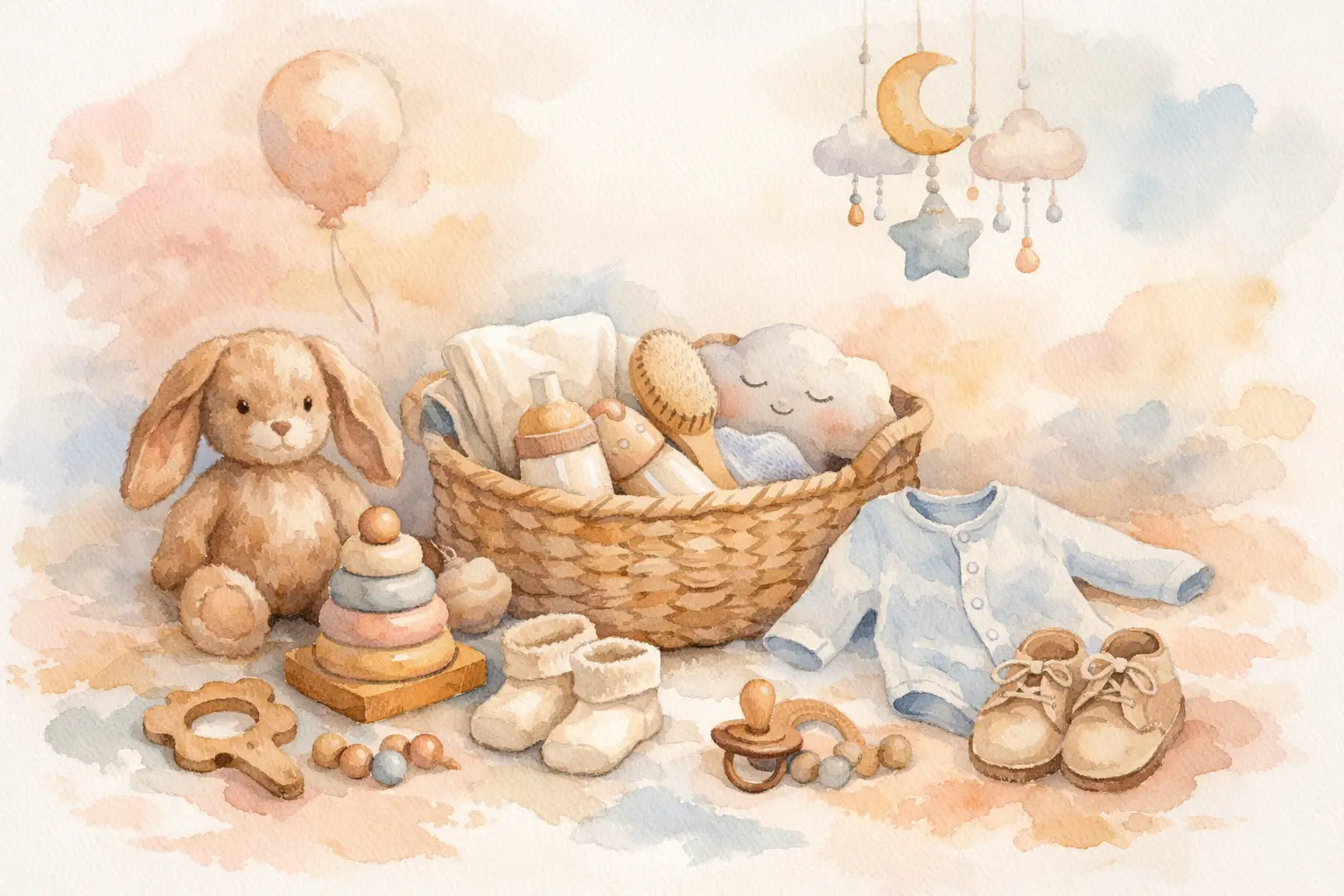
Baby essentials are the items that genuinely support your daily routine — not the ones that look impressive on a registry and collect dust by week three. If you have ever stood in a baby store feeling overwhelmed by options, you are not alone. The truth is that most newborns need far less than the average registry suggests. However, getting the right things in place before your baby arrives makes an enormous difference in those first chaotic, beautiful weeks.
This guide cuts through the noise. It covers every major category — sleep, feeding, diapering, clothing, daily care, and travel — with practical advice on what to buy first, what to skip, and how to avoid overspending before you even know your baby’s preferences. Furthermore, it goes beyond a simple product list to explain why each item earns a spot and how to make smarter decisions for your specific family situation.
The word “essential” gets stretched to cover almost anything baby-related. In reality, a true essential is something you use repeatedly every single day. Think about your daily loop: feeding, diapering, dressing, sleeping, moving around, and keeping your baby clean and comfortable. Specifically, those six routines are where your budget should focus first.
A first-time parent in a small apartment has different constraints than a grandparent preparing a guest room or a growing family with hand-me-downs. Therefore, no single list works for everyone. What this guide provides instead is a framework: start with the non-negotiables in each category, hold off on the extras until you learn your baby’s habits, and fill gaps as real life reveals them.
According to the American Academy of Pediatrics (AAP), a safe sleep environment, appropriate feeding support, and regular well-child care are the pillars of infant health. Everything else is support structure — helpful when chosen wisely, wasteful when bought blindly.
Sleep is the category where safety is non-negotiable. Specifically, the AAP recommends that babies sleep on a firm, flat surface on their backs, in their own sleep space — free from loose bedding, bumpers, and soft objects. That guidance shapes every buying decision in this category.
A crib is a long-term investment — most grow with your child well past the newborn stage. A bassinet, on the other hand, works beautifully for the first few months because it sits beside your bed, making night feeds easier. A play yard with a newborn insert is a flexible third option for families who want portability between rooms.
Whichever you choose, a firm, fitted mattress is the true essential — not the sleep space brand or style. Two fitted crib sheets give you a clean backup during late-night changes without scrambling through drawers at 3 a.m.
Many newborns settle faster when swaddled — wrapped snugly in a thin muslin or cotton blanket. However, once a baby shows signs of rolling (typically around 2–4 months), swaddling stops and sleep sacks take over. A sleep sack (wearable blanket) keeps your baby warm without the loose fabric risk. Two to three swaddles and one or two sleep sacks cover the first several months adequately.
A baby monitor makes practical sense in larger homes or when the nursery is on a separate floor. Audio-only models are affordable and functional. Video monitors add reassurance for many parents. Breathing or movement monitors, however, are generally not recommended by the AAP for healthy full-term babies because they can create unnecessary anxiety without proven safety benefit. Therefore, match the monitor to your home’s layout and your own comfort level — not to marketing claims.
Feeding is one of the hardest categories to predict before your baby arrives — because babies have strong opinions. Consequently, the smartest strategy is to buy a small starter set and expand based on what works, rather than committing to a full collection before you know your child’s preferences or your own feeding path.
If you plan to bottle feed — whether with formula or pumped breast milk — start with two or three bottles in a slow-flow nipple size. Babies often reject certain bottle shapes, and buying a 10-pack before you discover that is a costly lesson. Furthermore, nipple flow rates matter: newborns should start slow to avoid overfeeding and gas.
A bottle brush, drying rack, and formula dispenser (if formula-feeding) round out the bottle-feeding setup. A dedicated bottle sterilizer is optional — your dishwasher’s hot cycle handles sterilization for most families.
If you plan to breastfeed, a nursing pillow supports positioning and reduces arm and back strain during long feeds. Nipple cream and breast pads are practical from day one. A breast pump — if you intend to pump — is often covered by health insurance in the United States, so check your plan before purchasing. Breast milk storage bags and a dedicated pumping bra become useful if pumping is part of your regular routine.
Even if you plan to exclusively breastfeed, having two or three bottles available provides flexibility for those moments when a partner or caregiver needs to step in.
Burp cloths are a true essential regardless of feeding method — newborns spit up, and you will go through several a day. Six to eight is a realistic starting number. Bibs become more important once feeding gets messier, typically around four to six months. Before solids begin, a few basic bibs are sufficient.
When your baby reaches four to six months, solid foods typically begin. At that point, your needs shift considerably. A convertible high chair becomes one of the most-used pieces of furniture in your home. Soft-tip baby spoons, silicone bowls with suction bases, easy-clean bibs, and a splat mat under the high chair all earn their space at that stage. For now, resist buying these items in the newborn phase — they simply are not needed yet.
Diapering is the one category where running out truly feels urgent. Whether you choose disposable diapers, cloth diapers, or a combination, this part of your baby essentials list should be practical, well-stocked, and easy to maintain. For a deeper walkthrough, see our Best Places to Buy Affordable Baby Essentials Online.
Disposable diapers offer unmatched convenience, especially in the newborn stage when diaper changes happen 8–12 times per day. However, they create significant waste and ongoing cost. Cloth diapers, in contrast, have a higher upfront cost but reduce long-term spending and environmental impact. Many families use disposables in the newborn phase and transition to cloth at six to eight weeks. Either way, avoid buying a large stockpile of newborn-size disposables — many babies outgrow that size in two to three weeks.
Wipes are universal regardless of diaper choice. Unscented, sensitive-skin wipes are the safest option for newborn skin. Diaper cream — specifically, a zinc oxide formula — protects against rash from the start and is especially important in the first few weeks.
A dedicated changing pad — with a waterproof cover — keeps diaper changes sanitary and organized. It does not need to be a built-in dresser topper; a portable pad on top of a low dresser works just as well. Two or three waterproof changing pad covers give you a clean backup for the inevitable middle-of-the-night accidents.
A good diaper bag is one of the most-used pieces of gear you will own. Look for one with enough compartments for diapers, wipes, a change of clothes, feeding supplies, and your own basics. Specifically, prioritize a wipeable interior, easy-access exterior pockets, and a comfortable carry style — backpack styles tend to be hands-free-friendly for active families.
Diaper pails are a personal preference. Some families swear by sealed pail systems with odor-blocking refills. Others manage perfectly well with a regular trash bin and frequent emptying. The pail is useful but not mandatory — therefore, it belongs in the “consider based on your space” column rather than the must-buy list.
Baby clothing is the easiest category to overbuy — and the most tempting. Tiny outfits are irresistible, but most newborns go through several outfit changes a day and outgrow each size in weeks. Therefore, the most practical approach is to think in terms of laundry frequency and daily outfit changes, not wardrobe variety. For a deeper walkthrough, see our Affordable Children’s Clothing: Best Buys for Kids.
Many newborns skip the newborn (NB) size entirely — especially babies born at 8 pounds or more. Consequently, buy only a small number of NB-size items and focus your clothing budget on 0–3 month and 3–6 month sizes instead. Having seven to ten outfits per size — enough for a full week plus a few extras — is a practical, manageable quantity.
Ease of dressing matters enormously during late-night changes. Look for:
Season plays a significant role in what your baby will actually wear. A summer baby needs lightweight cotton onesies, thin muslin layers, and a wide-brimmed sun hat. A winter baby, in contrast, needs warmer footed sleepers, a bunting or pram suit for outdoor trips, and extra layering options. As a general rule, dress your baby in one more layer than you are wearing in the same environment.
If you are building a baby shower list, stick to 3-month sizes and above. Gifts in these sizes stay useful for longer — and that is much more practical for the parents receiving them. For a deeper walkthrough, see our Affordable Baby Shower Gifts That Parents Use.
Daily care items are the quiet workhorses of your baby essentials collection. They are small, often inexpensive, and used every single day. Getting these right early on makes bath time, grooming, and skin care feel routine rather than stressful.
A baby bathtub or bath support keeps your newborn safe and comfortable during sponge baths in the early weeks before the umbilical cord heals. Gentle, fragrance-free baby wash and shampoo — formulated specifically for newborn skin — are non-negotiable. Soft washcloths (you will go through several) and a hooded towel for wrapping a warm, clean baby complete the essentials. For a deeper walkthrough, see our Baby Gear Essentials: The Complete Checklist for 2025.
A gentle, fragrance-free baby moisturizer helps maintain skin hydration, particularly for babies with sensitive or eczema-prone skin. Apply after every bath while the skin is still slightly damp for best results. For a deeper walkthrough, see our Baby Essentials Online Store: Best Picks for 2025.
Newborn nails grow fast and are surprisingly sharp. A baby nail grinder or soft baby nail file is significantly easier than using tiny scissors or clippers on a squirming infant. A soft-bristle baby brush and comb, a nasal aspirator (to clear stuffy noses), and a digital rectal thermometer round out the grooming essentials. Have these before birth — not after you need them.
For babies under six months, sun protection means shade, protective clothing, and wide-brimmed hats rather than sunscreen — the AAP advises against applying sunscreen to infants under six months of age. After six months, a mineral-based SPF 50 baby sunscreen with zinc oxide or titanium dioxide becomes an important care tool for outdoor families. Always confirm with your pediatrician before introducing new skin products.
A small first-aid kit stocked with infant acetaminophen (after 2 months, as recommended by your doctor), a digital thermometer, nasal saline drops, gas drops, and bandages gives you a ready-made response plan for common newborn discomforts. Keep a compact version in your diaper bag as well. As a result, you are prepared at home and on the go — without a full medicine cabinet.
Travel gear gives your family freedom. Choosing the right pieces — and only the pieces that match your lifestyle — means you are mobile and prepared rather than weighed down by gear you never use. For a deeper walkthrough, see our 3-Pieces Bedroom Sets, Harper & Bright Designs Queen Size LED Velvet Platform Be.
A rear-facing infant car seat is the single piece of baby gear that is legally required before you leave the hospital with your newborn. Safety certification and correct installation matter far more than brand or price point. According to the National Highway Traffic Safety Administration (NHTSA), car seats reduce the risk of fatal injury in an accident by 71% for infants. Have it professionally installed and inspected before your due date.
Infant-only car seats work beautifully for the first year and double as a carrier. Convertible car seats, however, last from birth through the toddler years — often a more economical long-term choice if you prefer not to buy twice.
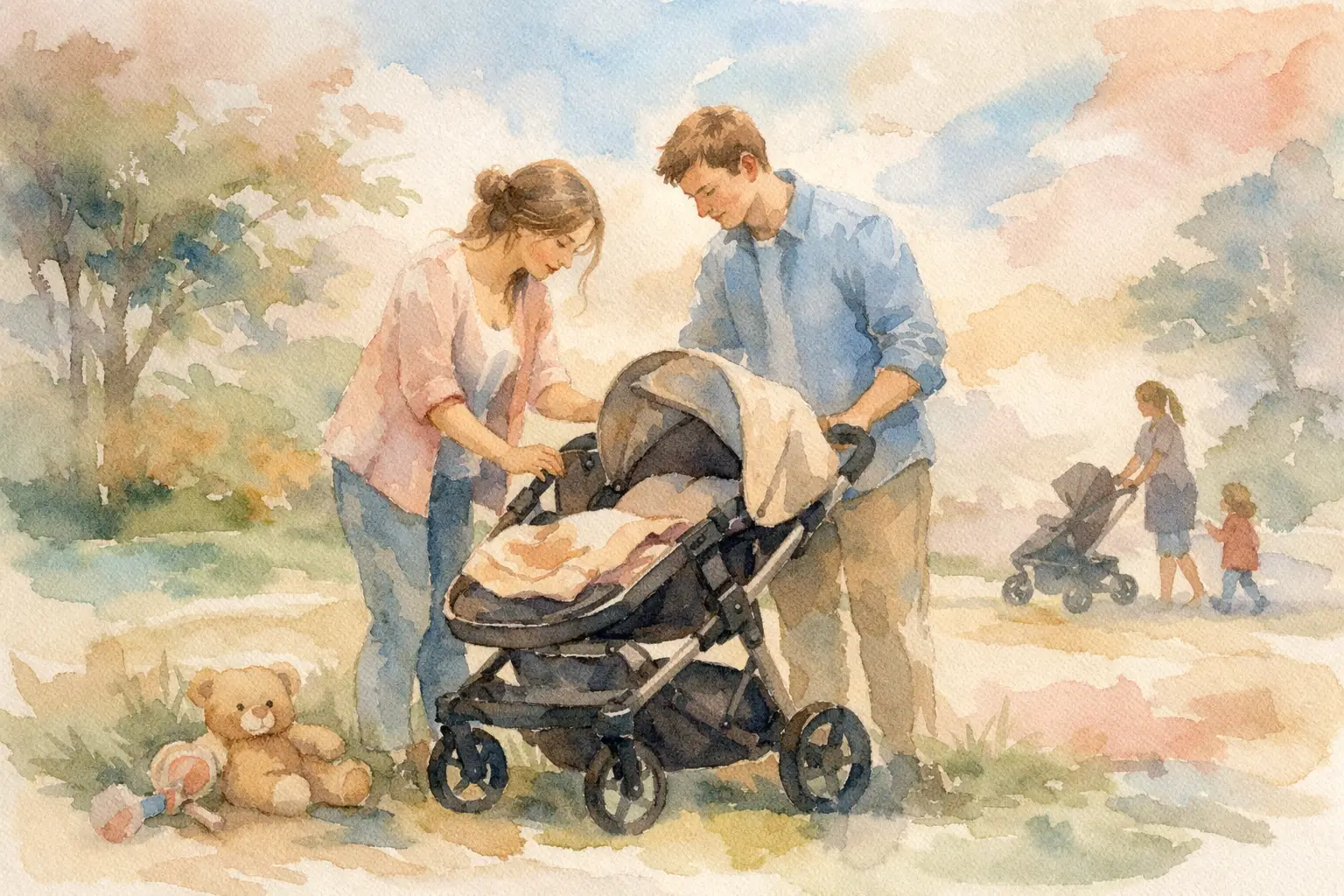
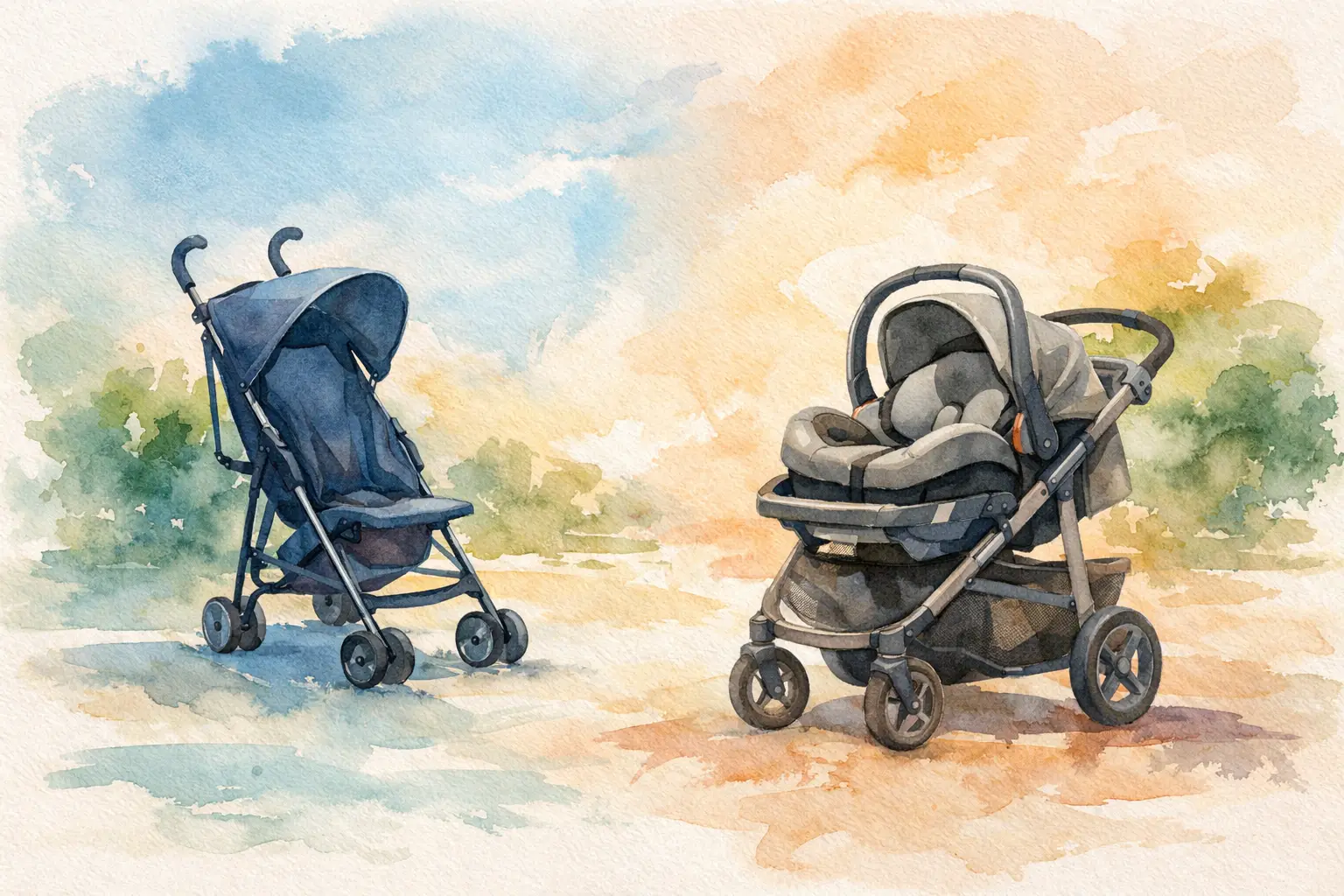
The best stroller depends entirely on how you live. If you walk daily on sidewalks or trails, a full-size stroller with all-terrain wheels and a large storage basket is worth the investment. If you primarily run errands in urban areas with limited trunk space, a lightweight umbrella stroller or compact fold model is far more practical. Check the folded dimensions before purchasing — this single measurement can make or break whether the stroller actually fits your car and your life.
Travel systems — a stroller and infant car seat sold together — offer convenience and a seamless click-in connection between seat and frame. They are worth considering if you want one coordinated solution from the start. For a deeper walkthrough, see our SPECIFICATIONS.
Baby carriers allow you to hold your baby close while keeping both hands free. Many babies are calmed by the warmth and movement of being carried — in fact, research published in the journal Pediatrics found that increased carrying reduces infant crying significantly. Soft structured carriers, ring slings, and stretchy wraps each suit different body types and activity levels. If possible, try before you buy — fit and comfort vary widely between carriers and wearers.
Your nursery does not need to be a magazine-worthy showroom. It needs to be functional, safe, and easy to navigate at 2 a.m. with one hand. Focus on organization and ease of use over aesthetics, and add decorative touches only after functional needs are covered.
A dresser or storage unit keeps clothing, diapers, and care items accessible. Labeled storage bins reduce search time when you are exhausted. A hamper in the nursery catches the inevitable wardrobe casualties quickly. These are not glamorous purchases — but they pay daily dividends.
A comfortable glider or rocking chair is one of the nursery investments that many parents say they could not imagine going without. You will spend significant time feeding your baby in this chair — therefore, lumbar support, armrest height, and ease of cleaning the fabric all matter. A small side table next to the chair for water, your phone, and a burp cloth is a genuinely practical addition.
Blackout curtains significantly help many babies sleep longer during daytime naps by blocking disruptive light. A white noise machine replicates the womb environment and can soothe a fussy baby quickly. Neither is strictly essential, but both are inexpensive solutions that deliver outsized results for sleep-deprived families. Similarly, a nightlight with a dim, warm setting makes night feeds manageable without fully waking either of you.
Some baby gear exists purely to soothe — and for exhausted parents, that has real value. However, not every soothing product is worth the price tag or storage space. Here is how to evaluate them honestly. For a deeper walkthrough, see our Affordable Kids Toys: Smart Buys Every Parent Trusts.
Pacifiers can be a powerful soothing tool and are associated with a reduced risk of SIDS (Sudden Infant Death Syndrome) when used during sleep, according to the AAP. However, they are not recommended until breastfeeding is firmly established — typically around three to four weeks. Have a few on hand before birth, but do not introduce them right away if you are breastfeeding.
An infant bouncer or swing gives you a safe, hands-free place to set your baby down while they are awake and content. Many babies are soothed by gentle motion. However, these items vary wildly in quality and price — and some babies reject them entirely. If possible, borrow one from a friend before committing to a purchase. Above all, never use a swing or bouncer as a sleep surface, as they are not approved for unsupervised sleep.
Tummy time — placing your baby on their stomach while awake and supervised — is recommended from birth to help develop neck, shoulder, and core strength. A soft, padded play mat gives your baby a safe space to practice this daily activity. As a bonus, many activity mats include hanging toys that grow with your baby’s development over the first several months. This is one of the early developmental tools that genuinely earns its place on a baby essentials list. For more ideas on how play supports development, see our guide to the magic of pretend play. For a deeper walkthrough, see our SPECIFICATIONS.
The average American family spends between $9,000 and $25,000 in a baby’s first year — but a significant portion of that spending is on items that go largely unused. Smarter budgeting starts with a layered shopping approach.
Buy what you need for the first four to six weeks before your baby arrives. After that, fill gaps based on what you are actually using. This approach cuts waste dramatically and leaves room in your budget for items your real-life routine reveals as necessary. For example, you may discover your baby hates the bouncer you bought in advance but loves being worn in a carrier — knowing that before buying the premium bouncer model saves real money.
Multi-use products offer better long-term value. A convertible car seat replaces an infant seat and a toddler seat. A 7-in-1 adjustable high chair grows from infancy through the boddler years. Neutral-colored, durable basics outperform trend-driven novelties over time. Similarly, well-made gear can be resold or passed to the next sibling — increasing its overall value considerably.
Safety-critical items — car seats, cribs, and firm mattresses — should always be purchased new and verified to meet current safety standards. These items should not be accepted second-hand unless you can confirm their complete history and certifications. Non-safety items — clothing, burp cloths, play mats, and nursery décor — are excellent candidates for gifting, hand-me-downs, and resale finds. Directing your baby shower registry toward these categories can significantly stretch your overall budget. For more on building a safe and practical gear collection, visit our resource on safe and stylish baby gear.
Your baby’s needs change quickly. What you need at birth is different from what you need at three months, six months, and beyond. Planning in stages prevents both overspending and being caught unprepared.
What are the most important baby essentials to have before birth?
Before your baby arrives, prioritize a safe sleep space with a firm mattress, a rear-facing car seat installed correctly, diapers and wipes, a starter set of feeding supplies, basic clothing in 0–3M size, and daily care items like baby wash, a thermometer, and a nasal aspirator. These baby essentials cover your immediate needs for the first few weeks without overspending.
How many newborn diapers should I stock before my baby arrives?
Buy only one small pack of newborn-size diapers before birth. Many babies skip this size entirely — especially those born at 8 pounds or more. Instead, stock up on Size 1 diapers, which fit babies from 8 to 14 pounds and typically last through the first two to three months.
Is a baby swing or bouncer a necessity?
A baby swing or bouncer is not a true essential — it is a soothing tool that some babies love and others ignore entirely. If possible, borrow one before buying. Never use a swing or bouncer as an unsupervised sleep surface, as they are not safety-approved for that purpose. For a deeper walkthrough, see our Baby Teething Toy Safety: A Parent’s Checklist.
What should I never buy second-hand for my baby?
Always purchase new: car seats (which may have hidden damage from accidents), cribs (which must meet current safety standards), and firm sleep mattresses. These safety-critical items should have verifiable histories and meet up-to-date certifications. Non-safety items like clothing, play mats, and décor are excellent second-hand purchases.
When do I need to start buying solid food gear for my baby?
Most babies begin solid foods between four and six months of age, as guided by their pediatrician. There is no need to purchase a high chair, baby spoons, silicone bowls, or a splat mat before your baby is at least three to four months old. Wait until the transition is approaching and choose based on your specific kitchen setup and feeding approach. For a deeper walkthrough, see our SPECIFICATIONS.
How can I reduce spending on baby essentials without sacrificing quality?
Shop in phases — buy for the first four to six weeks only, then fill gaps as your routine develops. Choose versatile items that grow with your baby, such as convertible car seats and adjustable high chairs. Accept second-hand non-safety items from family and friends. Use your baby registry to cover consumables like diapers, wipes, and burp cloths rather than novelty items.
The right collection of baby essentials is not the longest list — it is the most purposeful one. When your list covers safe sleep, reliable feeding support, diapering basics, comfortable clothing, daily care, and smart travel gear, you have everything you genuinely need. In contrast, an overcrowded nursery full of unused gadgets just adds stress to an already demanding season of life.
Start with what your real daily routine requires. Buy in phases. Choose versatile, durable items over trend-driven picks. Above all, trust that a focused, well-chosen set of essentials will support your baby’s health, comfort, and development far better than a registry built on impulse and marketing pressure. For more practical family guidance, explore our additional resources on children’s health and nutrition and diaper rash prevention and treatment at Everything Children’s Outlet.